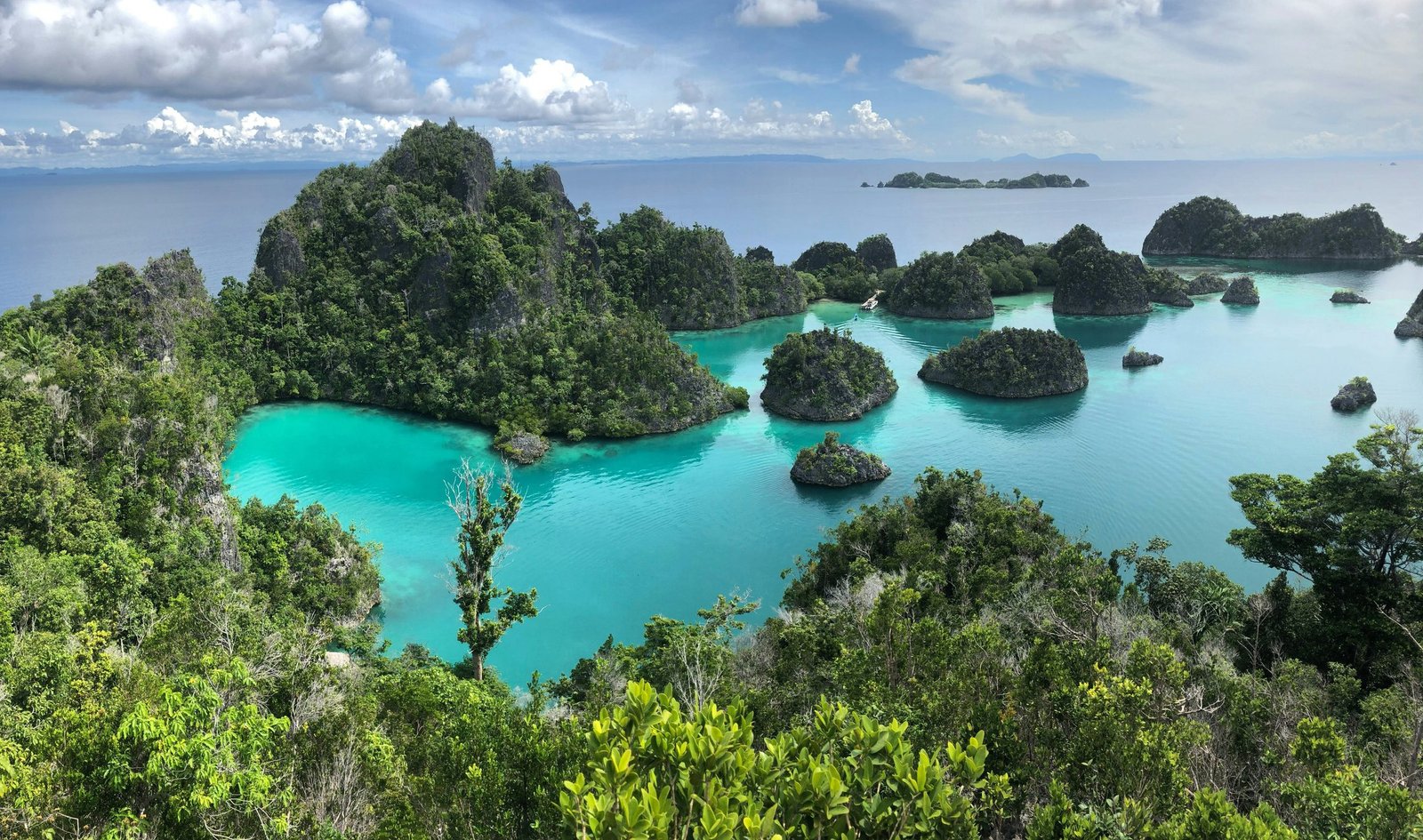
For many travellers, the words Komodo liveaboard create a very polished picture: a wooden sailing ship, a quiet bay, a dragon encounter, a manta ray and dinner under the stars. All of those moments are possible. What is harder to understand before boarding is how the journey actually feels from one day to the next.
The practical difference is simple. On a liveaboard, Komodo National Park is not somewhere you commute to each morning. You wake inside the landscape. The boat may move while you eat breakfast, rest after a dive or sleep. A beach landing, a ridge walk and a reef can belong to the same day without every experience being followed by a long return journey to Labuan Bajo.
That changes the pace of the trip more than almost anything else. It also explains why choosing the right vessel matters. A Komodo liveaboard is both transport and accommodation, but those words undersell it. For several days, the vessel is the structure around the whole journey.
What makes a Komodo liveaboard different from a day trip?
Labuan Bajo is the main gateway to Komodo National Park, and day trips can be an excellent way to see some of the park when time is limited. A liveaboard solves a different problem. It gives the journey more time and allows the boat to stay closer to the next morning's experience.
Komodo is spread across islands, channels, reefs and anchorages rather than arranged around one central attraction. The distances are part of the destination. A liveaboard can move through those distances while guests are eating, resting or sleeping, which makes it possible for the day to begin somewhere that would otherwise require an early transfer from town.
This does not mean every liveaboard follows the same route. Park access, tides, current, wind, guest experience and wildlife conditions still shape the order of the journey. A good itinerary is flexible because the park itself is not fixed.
The advantage of sleeping on the water is not that every day becomes busier. It is that more of the day can belong to Komodo instead of to the journey back to shore.
A traditional phinisi is part of the experience
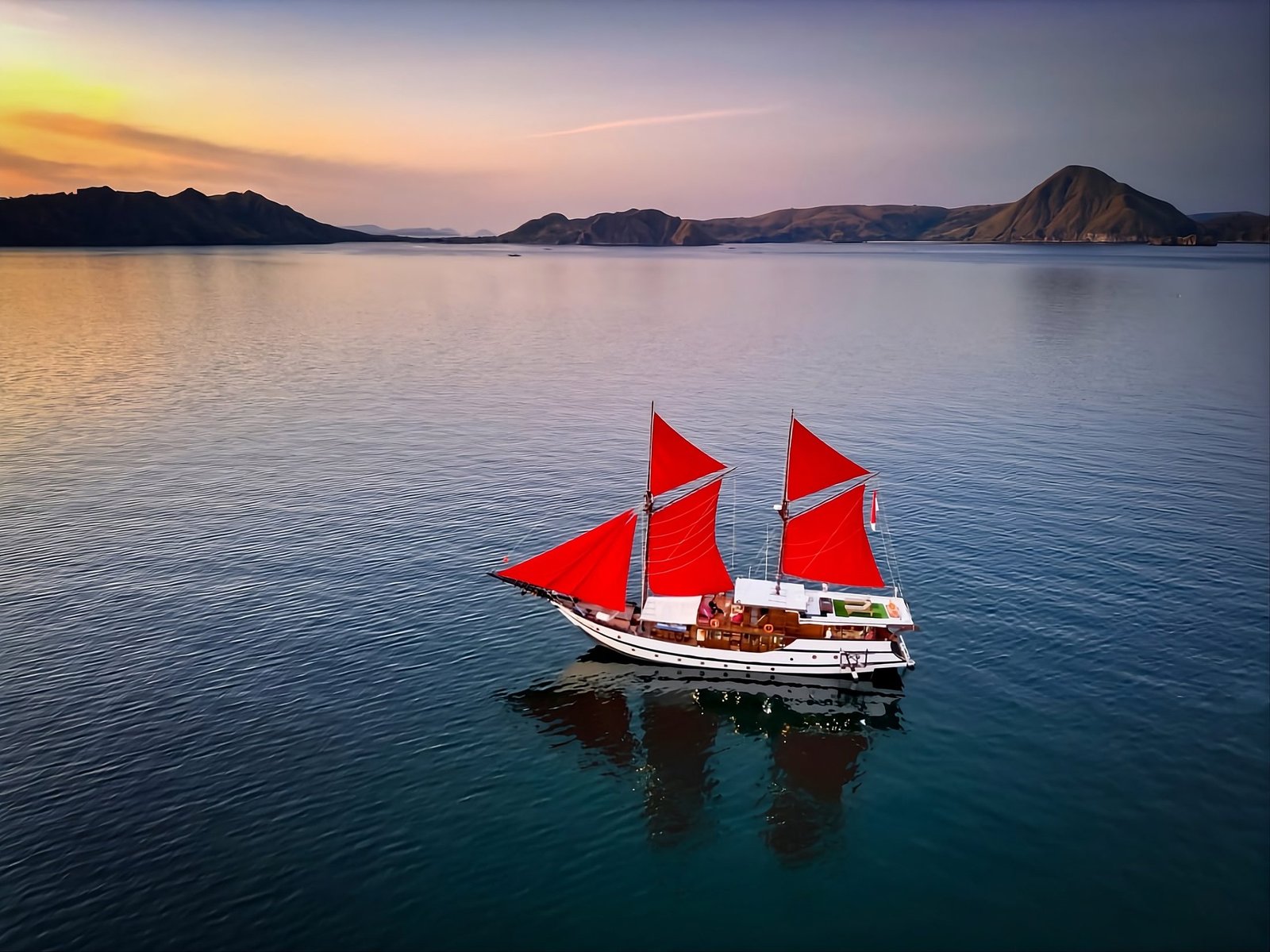
Phinisi-style vessels are closely associated with sailing through eastern Indonesia, but the word can create confusion. A modern liveaboard phinisi is not a museum piece and it is not simply an old sailing boat with beds added inside. The better vessels combine Indonesian wooden boatbuilding traditions with the systems required for contemporary cruising, diving and guest accommodation.
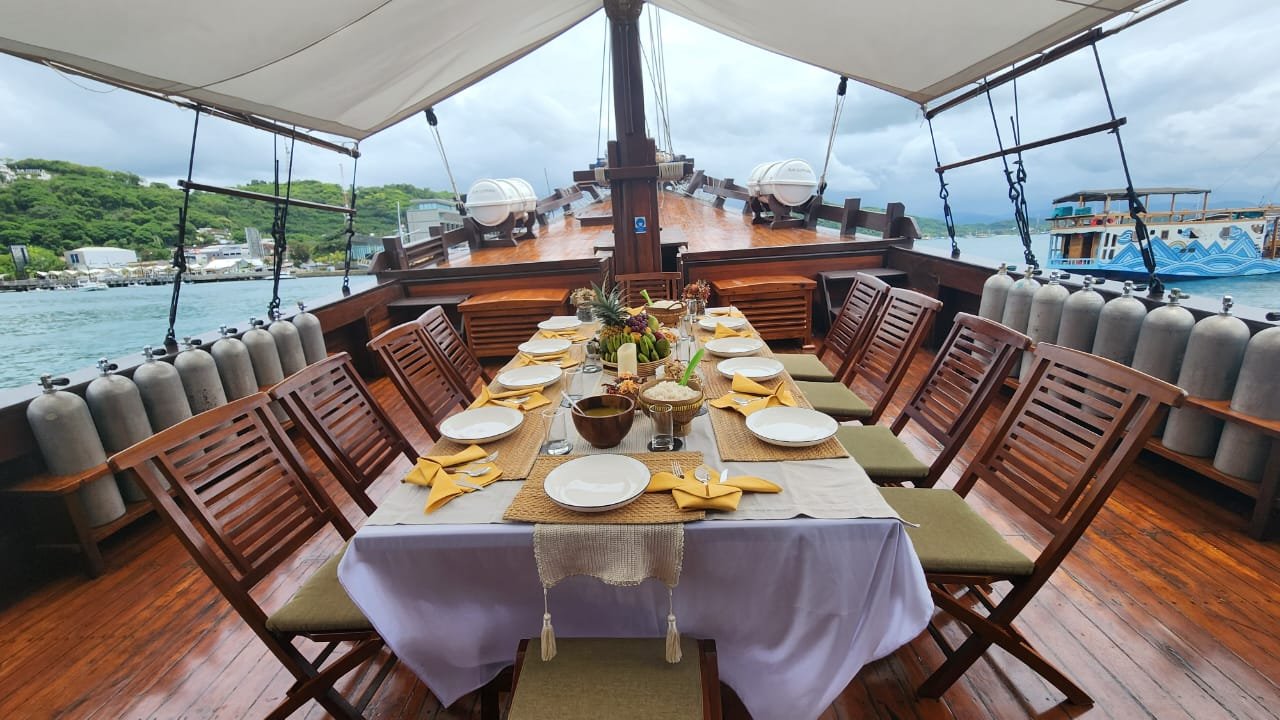
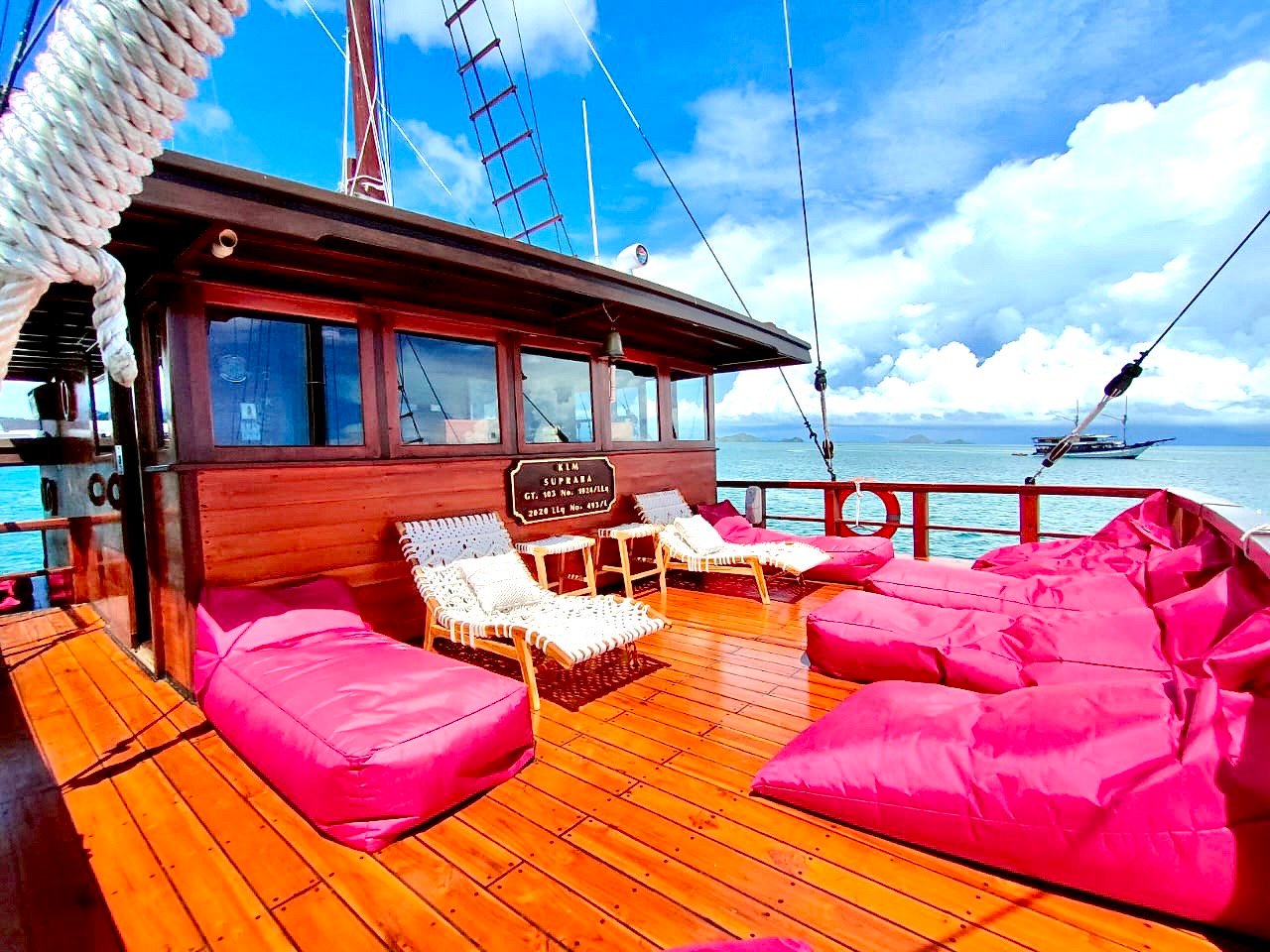
Supraba was built in Tanah Beru, South Sulawesi, an area deeply connected with Indonesia's wooden boatbuilding tradition. Her hull is built from timber, while the guest experience includes private en-suite cabins, air conditioning, indoor and outdoor dining, an open sun deck, dive preparation areas and tenders for reaching reefs and shore landings.
The result feels different from a conventional hotel or a modern motor yacht. Timber, open decks and the movement of the vessel remain present. You hear water against the hull. You notice when the anchor comes up. You may look out after lunch and realise the landscape has changed because the boat has moved to the other side of an island.
If the vessel itself matters to your decision, the Supraba vessel page explains the deck arrangement, shared spaces, dive facilities and technical details in more depth.
What the cabin is really for
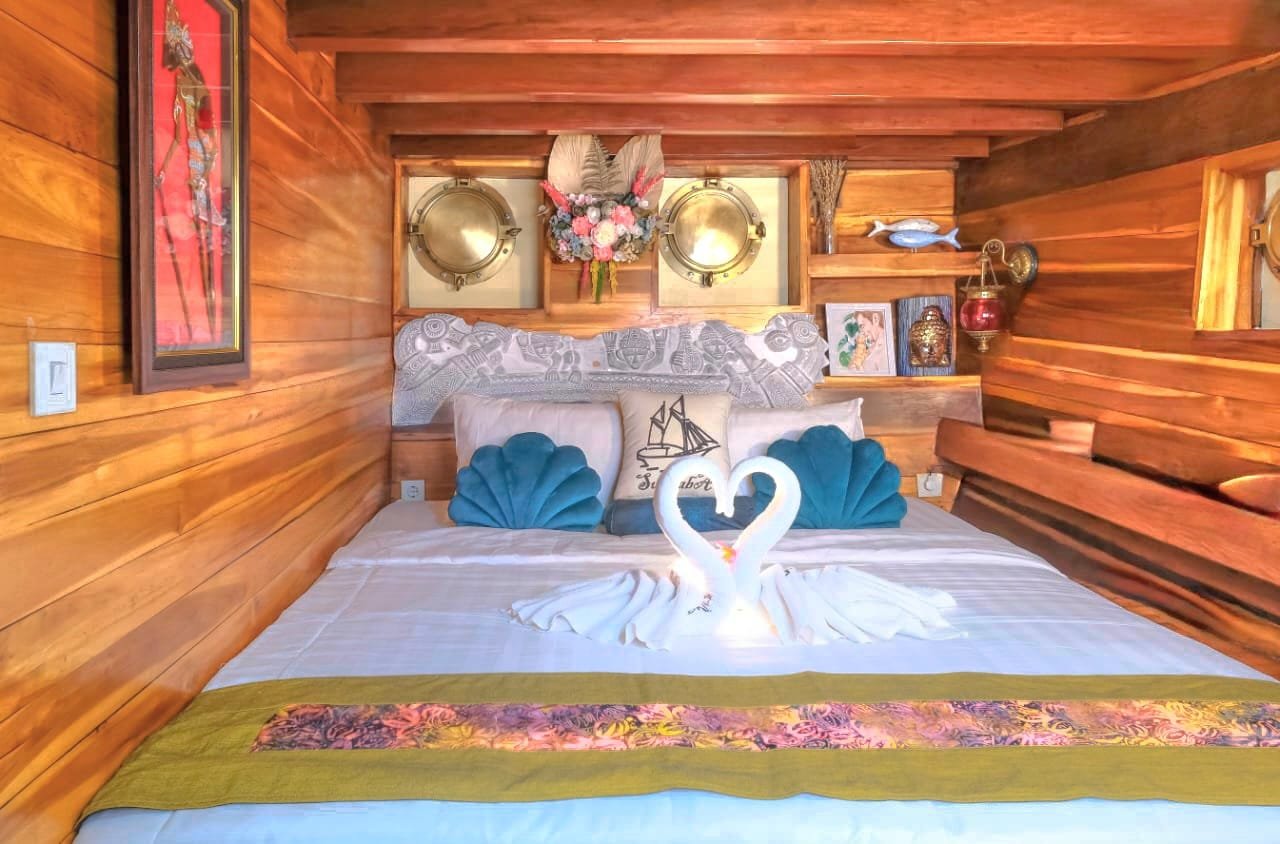
Cabin photographs matter when comparing liveaboards, but the role of a cabin is slightly different from a hotel room. Most guests spend much of the day outside it. The cabin becomes the private retreat around everything else: sleep, a shower after salt water, changing before dinner, reading in the afternoon or simply closing the door for an hour when the rest of the boat is social.
Privacy therefore matters more than decorative size alone. Supraba carries twelve guests as standard across six principal cabins. Each has air conditioning and a private bathroom. Different bed arrangements suit couples, friends and individual travellers sharing a scheduled departure.
The master cabins provide more room, while the standard cabins remain private and self-contained. Rather than choosing a cabin only from a photograph, it is worth considering who you are travelling with, whether you prefer a double or separate beds, and how much private space matters to you between activities. The Accommodation page shows each cabin individually so that the choice can be made before an enquiry is submitted.
Days do not follow a hotel timetable
One of the first adjustments aboard a Komodo liveaboard is that the day is organised around the place rather than around a fixed resort schedule. A morning may begin before breakfast if a ridge walk is more comfortable before the heat. On a diving day, the first water entry may happen early because the tide suits a particular site. At other times, breakfast comes first and the boat moves slowly toward the next anchorage.
There is usually a rhythm, but not a rigid clock. Activities, meals and passages are fitted together so that the vessel can respond to conditions. This is important in Komodo because tidal exchange through narrow channels can create powerful current. The same site can feel very different at another stage of the tide.
Supraba's Komodo destination page gives a broader picture of the park, including the different character of its islands, manta channels, reefs and land experiences. The liveaboard article is about what happens between those headline moments.
A day might include an early island landing or dive, breakfast as the vessel changes position, time on deck, another water activity, lunch, an afternoon dive or shore visit, and a quieter anchorage before dinner. The order changes because current, weather, wildlife and park access matter more than forcing every voyage into the same timetable.
Diving in Komodo requires flexibility
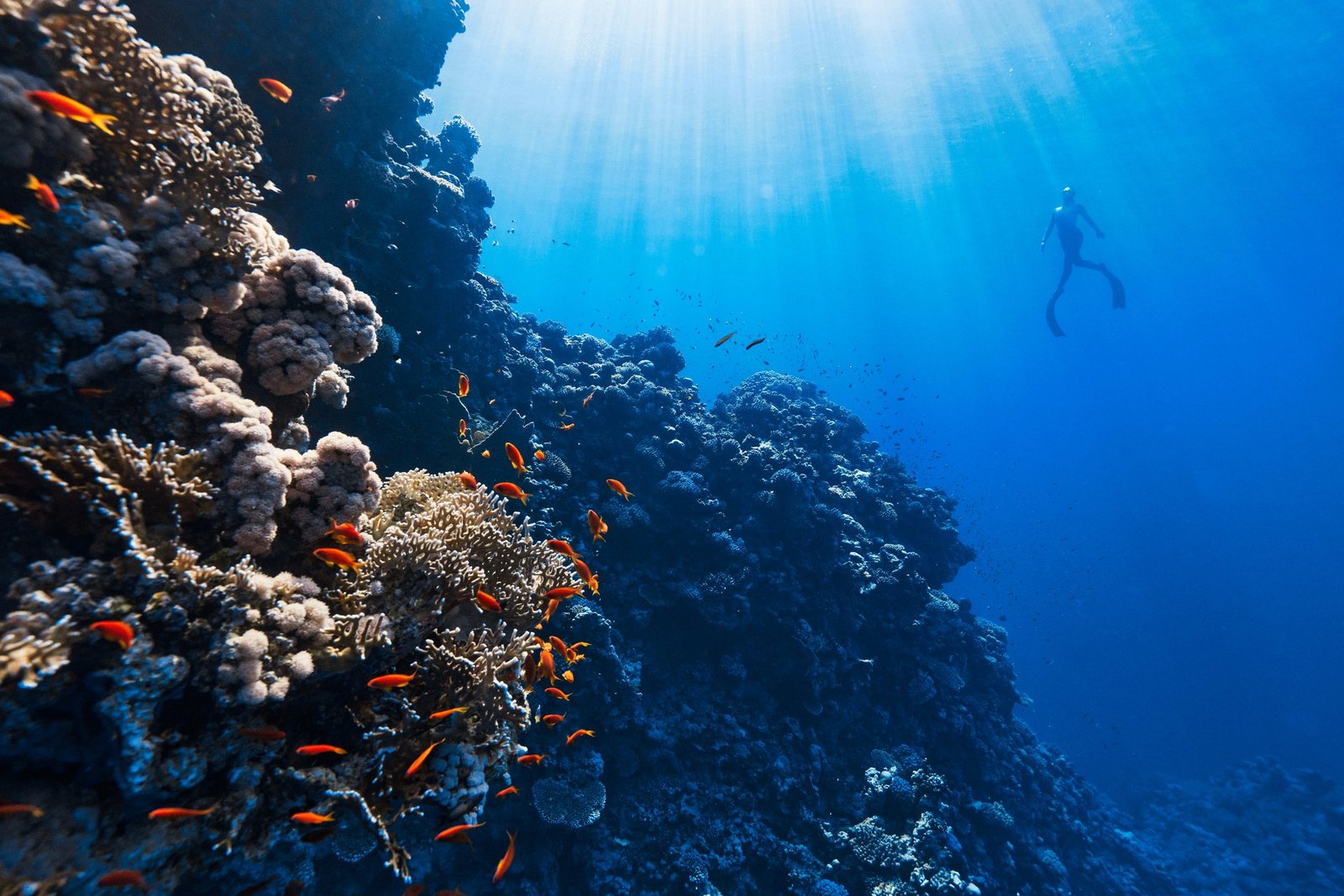
Komodo is famous among divers for good reason. Nutrient-rich water and strong tidal movement support reefs with mantas, sharks, turtles, schooling fish and dense coral life. Those same forces mean that diving here should not be treated as a catalogue of sites that can be visited in any order at any time.
The dive team plans around current, tide, visibility and the experience of the guests. Some sites can be gentle and suitable for a relaxed reef dive. Others can be fast, exposed or more demanding. A responsible liveaboard does not take a group to the most famous name simply because that site appears on an itinerary. It chooses the site that makes sense at that moment.
That is also why honest communication before the trip matters. If you have limited experience in current, have not dived for some time, are travelling with a new certification, or simply prefer calmer dives, say so. The aim is not to prove anything. It is to have a good week in the water.
Supraba has a dedicated dive preparation area, tenders for site access, tanks and weights, camera rinse facilities and Nitrox for certified divers. More importantly, the Safety page explains the wider operating approach for diving and remote-water travel.
Non-divers are not supposed to spend the trip waiting
A common misconception is that a Komodo liveaboard is only sensible when everyone in the group dives. That depends heavily on the vessel and the way the programme is run.
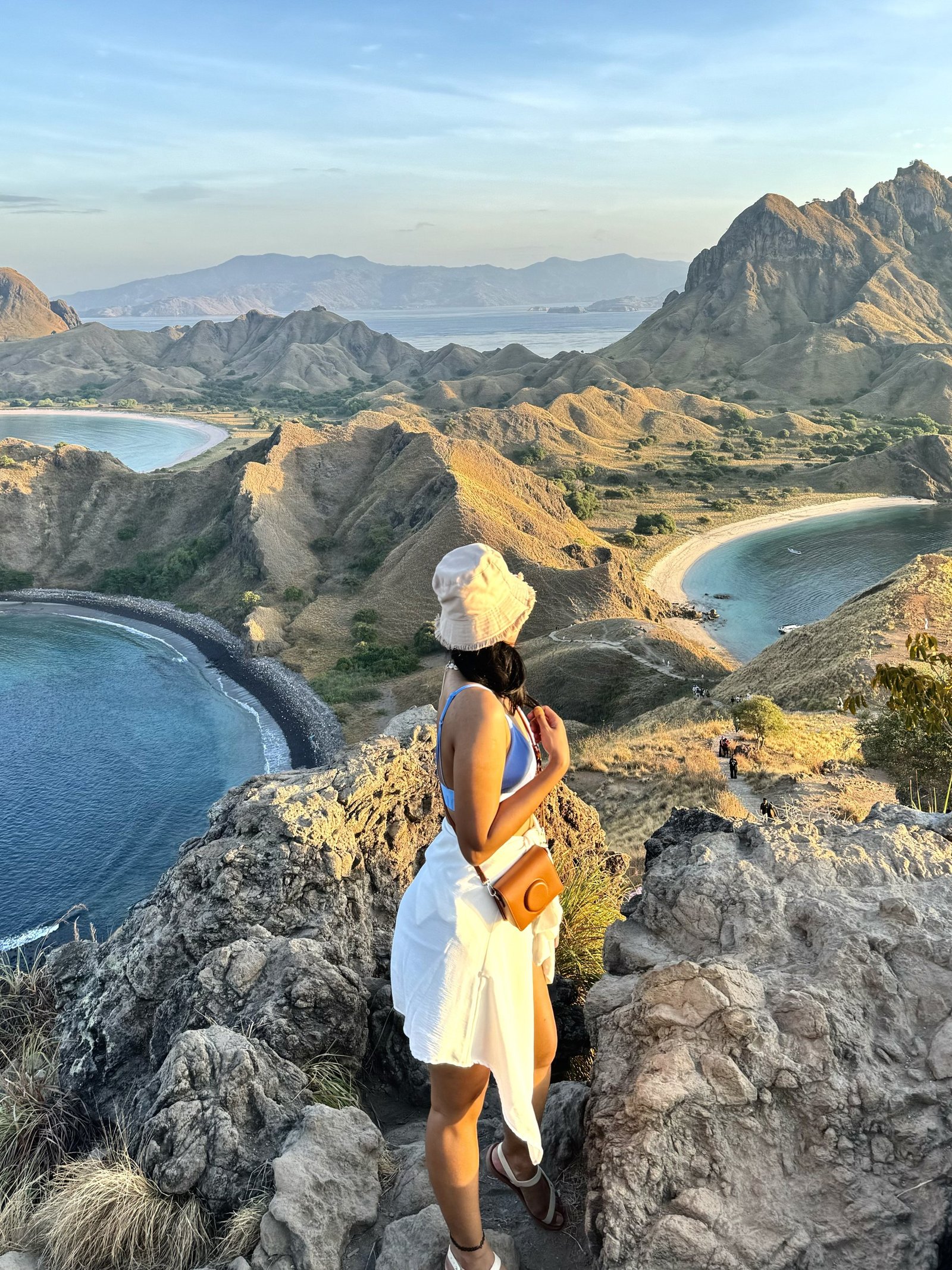
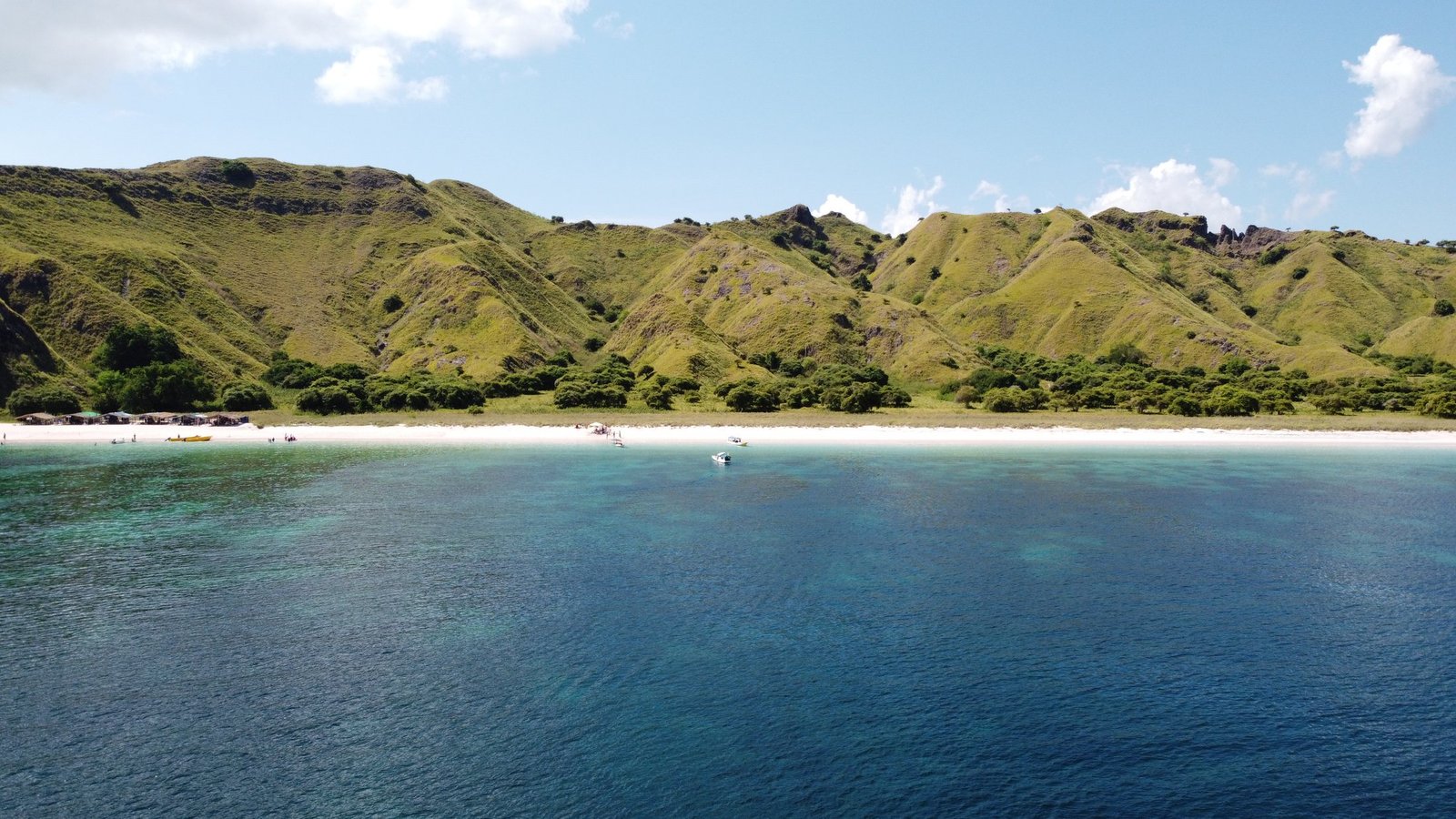
Komodo is unusually well suited to mixed groups because so much of its character exists above the surface. Ranger-led walks bring guests into Komodo dragon habitat. Padar and other viewpoints provide the landscape that made the region recognisable long before many travellers learned the names of its dive sites. Pink beaches, shallow reefs, sandbanks, kayaking and snorkelling can fill a day without a scuba tank ever appearing.
The important question is whether the liveaboard plans deliberately for both types of guest. On Supraba, diving and non-diving activities are part of the same voyage rather than two unrelated programmes. The Activities page explains the mix of diving, snorkelling, kayaking, paddleboarding and shore experiences available across destinations.
Meals become part of the day's punctuation
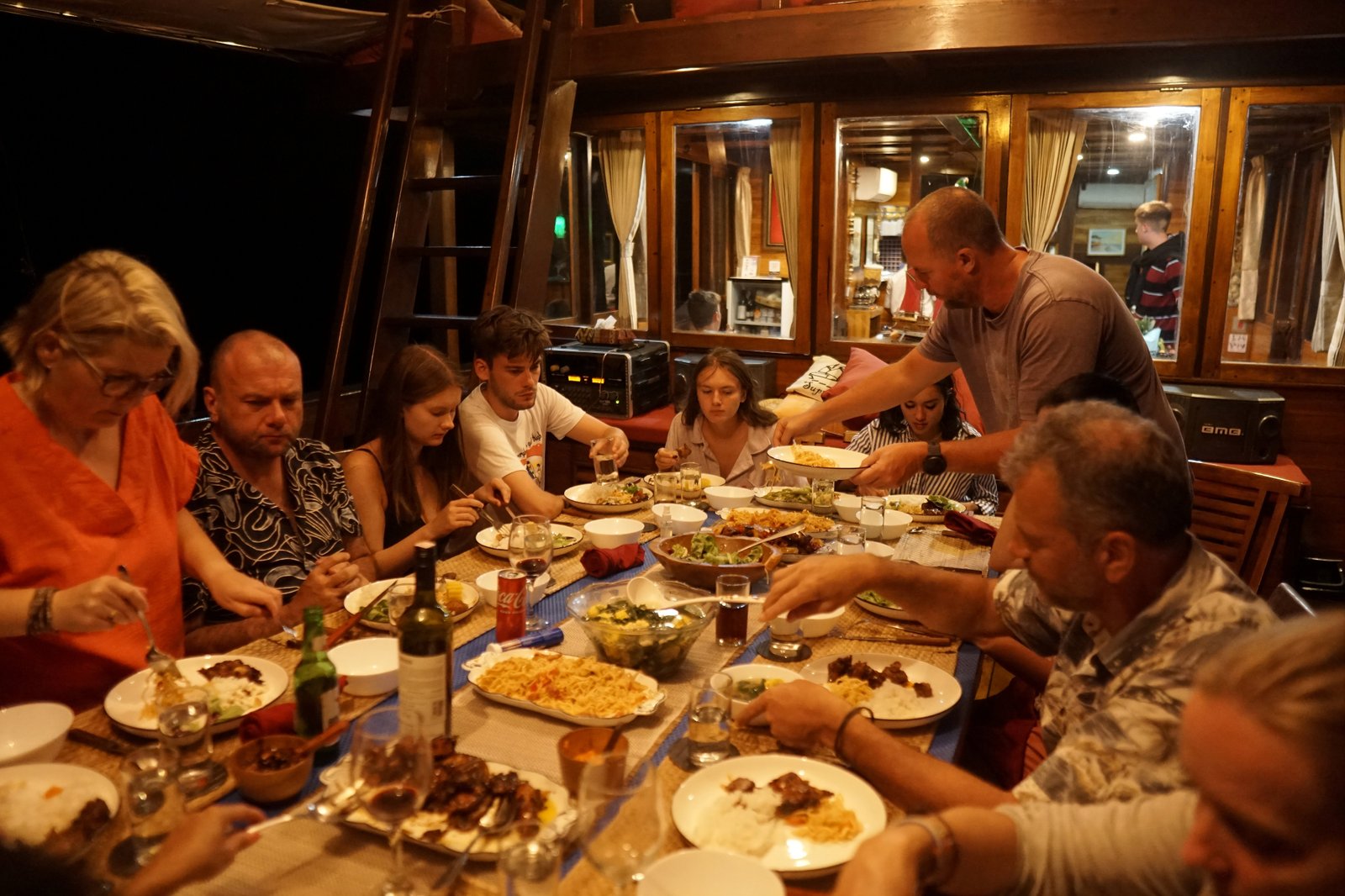
Food aboard a liveaboard has a different social role from restaurant dining on land. Everyone is living within the same small moving environment, so meals naturally become the points where the group comes back together.
Breakfast may follow an early activity. Lunch can happen while the boat is moving. Dinner often arrives after everyone has showered, changed and slowed down. Some evenings are lively; others are quiet because the next morning begins early. There is no need to manufacture atmosphere. The shared experience of the day usually provides enough conversation.
Supraba serves Indonesian and international meals, with dietary requirements discussed before departure. Guests can eat indoors in air-conditioned comfort or outside when weather and anchorage allow. Beach dining may also be possible on selected routes when conditions suit.
You will notice the boat moving
This sounds obvious, but it is worth saying plainly. A liveaboard is a boat. It moves at sea. Even in protected anchorages there can be motion, and passages between islands can feel different depending on wind and swell.
Travellers who know they are sensitive to motion should prepare before departure rather than waiting until they feel unwell. Speak with a medical professional or pharmacist about suitable seasickness options for your circumstances. Once aboard, fresh air, looking toward the horizon, staying hydrated and avoiding long periods below deck while underway can help some guests, but personal medical advice should come before the journey.
The reward for accepting that movement is that the vessel can relocate without interrupting the whole day. You may finish an activity in one bay and later step onto the deck somewhere completely different.
There is less luggage access than in a hotel
A liveaboard cabin rewards sensible packing. Large hard-shell luggage can be awkward because storage is finite and the room is part of a vessel rather than a city hotel. Soft-sided luggage is often easier to stow once unpacked.
Most days require surprisingly little: swimwear, light clothing, sun protection, suitable footwear for island walks, a light layer for evenings, and personal dive equipment if you prefer to use your own. Photography equipment can take more space, so photographers should think about charging, storage and camera handling before departure rather than after boarding.
The practical details for each voyage should always be checked against the actual departure because route, trip length and included equipment can differ.
What happens when the boat anchors for the night?
The evenings are often the part of a liveaboard that people understand least before their first trip. There is usually no need to fill them with entertainment. The boat settles into an anchorage, dinner is served, photographs are compared, tomorrow's plan is discussed, and the pace changes.
Some guests stay outside long after dinner. Others disappear to their cabins early. On clear nights, the absence of city light can make the upper deck the best place on the vessel. At other anchorages there may be neighbouring boats, village lights or fishing activity in the distance. Komodo is remote, but it is not an empty stage built for visitors.
That quiet period is one reason a traditional phinisi suits the destination so naturally. The boat does not need to compete with the landscape. It simply gives you somewhere comfortable to remain inside it.
What should you compare before choosing a Komodo liveaboard?
Price and photographs are easy to compare. The more important differences often sit behind them.
A smaller guest count changes the atmosphere, tender transfers, dive-group size and the amount of shared space available to each person.
Check whether bathrooms are private, how beds are arranged and whether the cabin type shown is the cabin you are actually booking.
Confirm whether the trip is dive-focused, leisure-focused or genuinely suited to mixed groups travelling together.
Look beyond a list of famous stops. Ask how the crew responds when current, weather, wildlife or park access changes the plan.
It is also worth asking what is included, how transfers work in Labuan Bajo, what diving equipment is available, how many guides operate with the group, how dietary requirements are handled, and what insurance is expected. A good operator should answer these questions clearly before payment.
Who tends to enjoy a Komodo liveaboard most?
Travellers who enjoy being close to the landscape usually settle into liveaboard life quickly. You do not need to be an experienced sailor. You do need to be comfortable with a trip where the sea influences the plan.
Divers gain access to a broader range of sites and the ability to work around tide. Non-divers gain time in the park rather than simply waiting for a dive boat to return. Couples and friends have the choice between shared days and private time. Photographers benefit from being in position for early and late light. Families or private groups can shape a charter more closely around their own pace when the entire vessel is booked.
People who prefer large resort facilities, complete separation from other guests, or a fixed timetable may find a land-based stay more natural. There is nothing wrong with that. The point of comparing is to choose the travel style that fits, not to declare one format better for everyone.
What a Komodo liveaboard feels like by the end
The first day often feels organised around learning the boat: where to leave shoes, where dive gear lives, how meals work, which staircase leads where, when to listen for the briefing. By the end of the voyage, those details have mostly disappeared into routine.
You know which part of the deck catches the evening breeze. You know whether you prefer coffee before or after the first activity. You recognise the sound of the tender approaching. The cabin feels less like accommodation and more like your room. The boat itself starts to feel smaller, not because it has changed, but because you have learned how to live in it.
That is the part of a Komodo liveaboard that photographs struggle to explain. The attraction is not only that a phinisi takes you to dragons, reefs, beaches and viewpoints. It is that the journey between those places becomes part of the experience instead of dead time between attractions.
If that is the style of travel you are looking for, start with the Komodo destination guide, then look through The Vessel and Accommodation before comparing the current Komodo departures. Those pages answer different parts of the same decision: where you are going, what you are travelling on, where you will sleep, and when the voyage leaves.
Destination context is informed by Supraba's operating information, Indonesia's official tourism guidance for Komodo National Park and Labuan Bajo, and UNESCO World Heritage information on the park. Routes, wildlife encounters, current, sea conditions and park access vary and should never be treated as guaranteed.