Volcanic islands in the historic Banda group
Neira, Gunung Api, Banda Besar, Rhun, Ai and the surrounding islands form the cultural heart of the Spice Islands story.
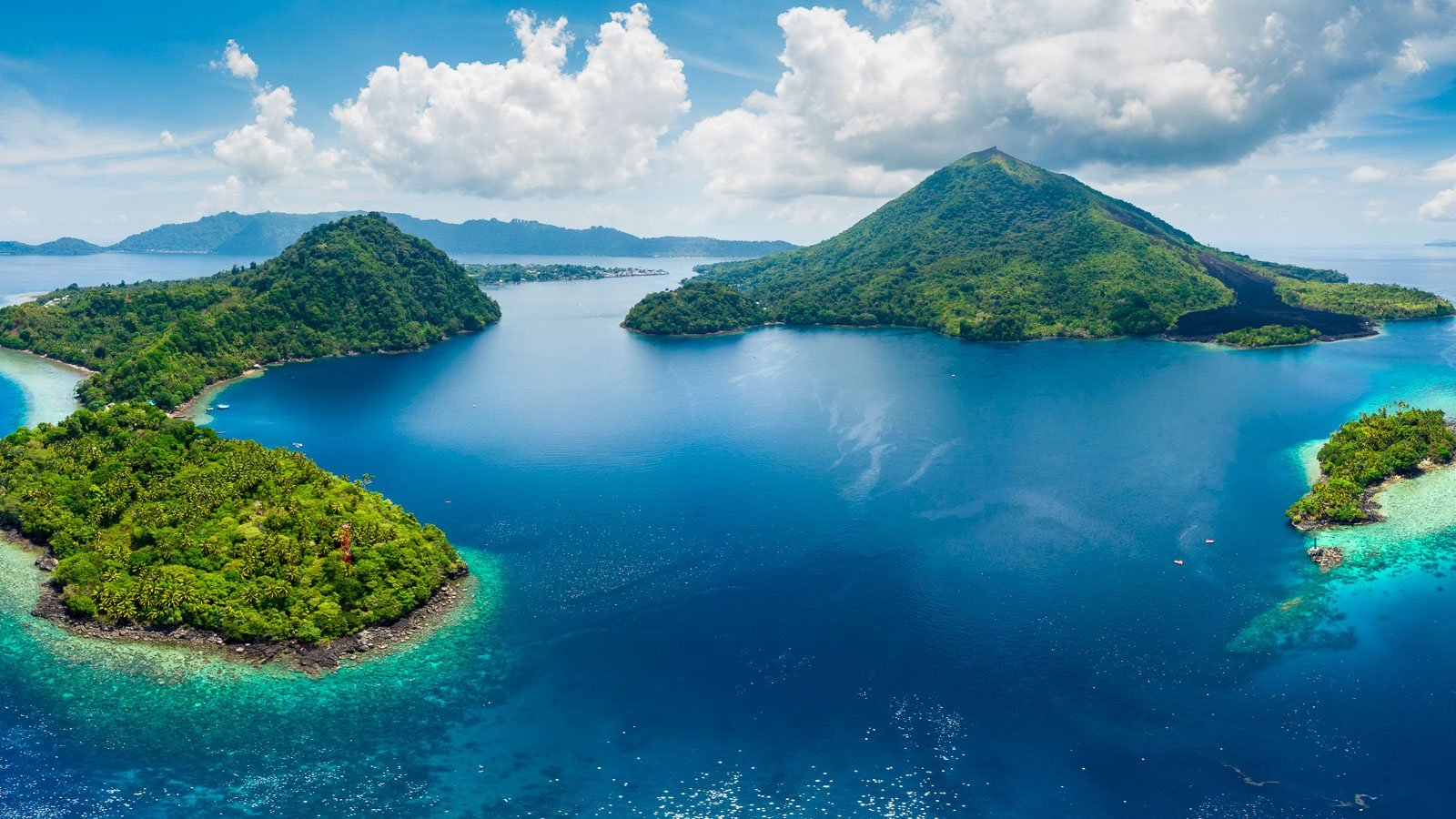
Explore the Banda Sea aboard Supraba, combining remote reefs and open-water diving with the history and islands of Maluku. Selected routes may include Banda Neira, offshore seamounts and outer islands such as Manuk.
The Banda Sea covers a large area of Maluku, with open-water passages between the Banda Islands, remote reefs, volcanic islands and offshore dive sites.
The Banda Islands are the historical centre of the route, known for the nutmeg trade and colonial history. Individual expeditions may continue to offshore ridges, seamounts and outer islands depending on the published itinerary.
Every Banda voyage is route-dependent. Weather, sea conditions, current, harbour access, guest experience and the departure's final embarkation and disembarkation ports determine the actual sequence.
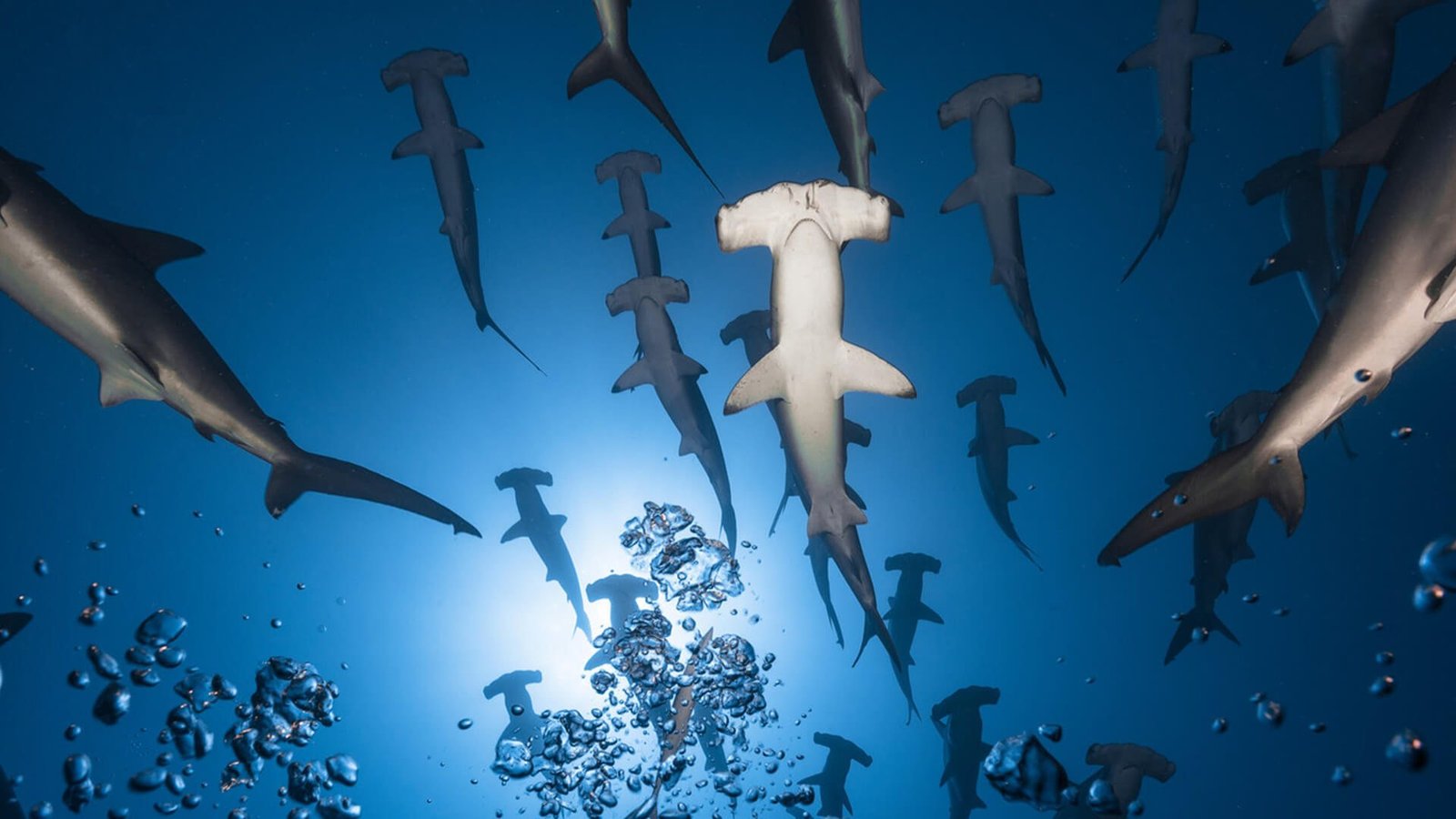 Open-Ocean Encounters
Neira, Gunung Api, Banda Besar, Rhun, Ai and the surrounding islands form the cultural heart of the Spice Islands story.
The struggle for control of nutmeg reached far beyond Maluku and became part of one of history's most remarkable territorial exchanges.
A limited group is better suited to remote landings, dive planning, tender transfers and a voyage whose route may evolve with conditions.
Historical figures are included for destination context. The Banda Islands remain on Indonesia's UNESCO World Heritage Tentative List rather than being presented as an inscribed World Heritage Site.
Depending on the departure, a Banda Sea route may combine time around Banda Neira with open-ocean diving, offshore seamounts and outer islands such as Manuk. Check the individual departure for the confirmed route.
Each departure focuses on a specific combination of Banda's regions—check the individual departure listing for the confirmed route.
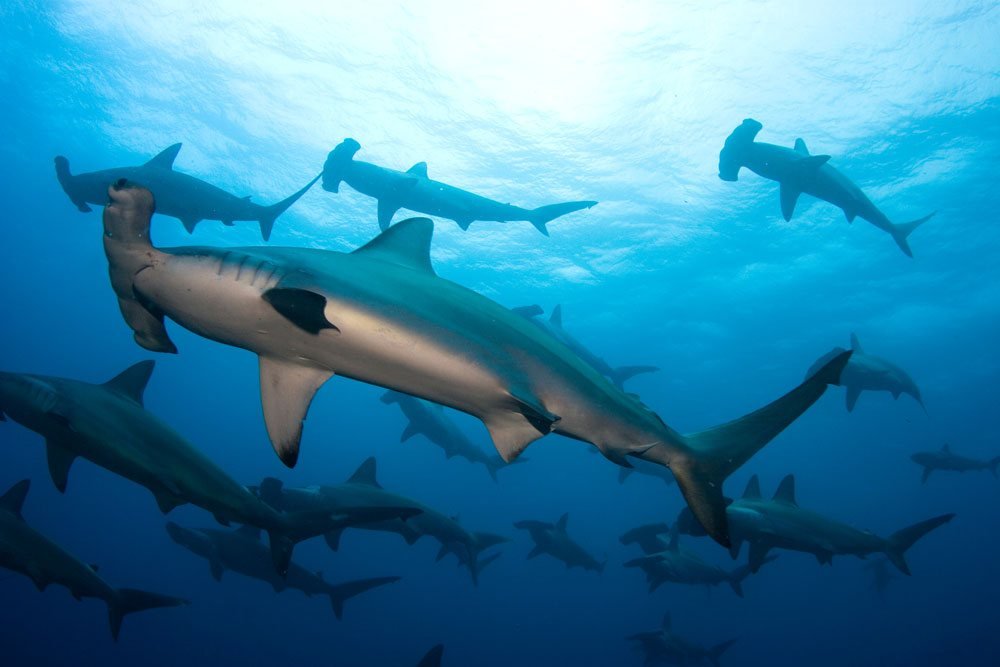
Offshore ridges and seamounts attract schooling fish and other pelagic species. Seasonal hammerhead encounters are one of the main reasons divers visit these sites, but sightings are never guaranteed.
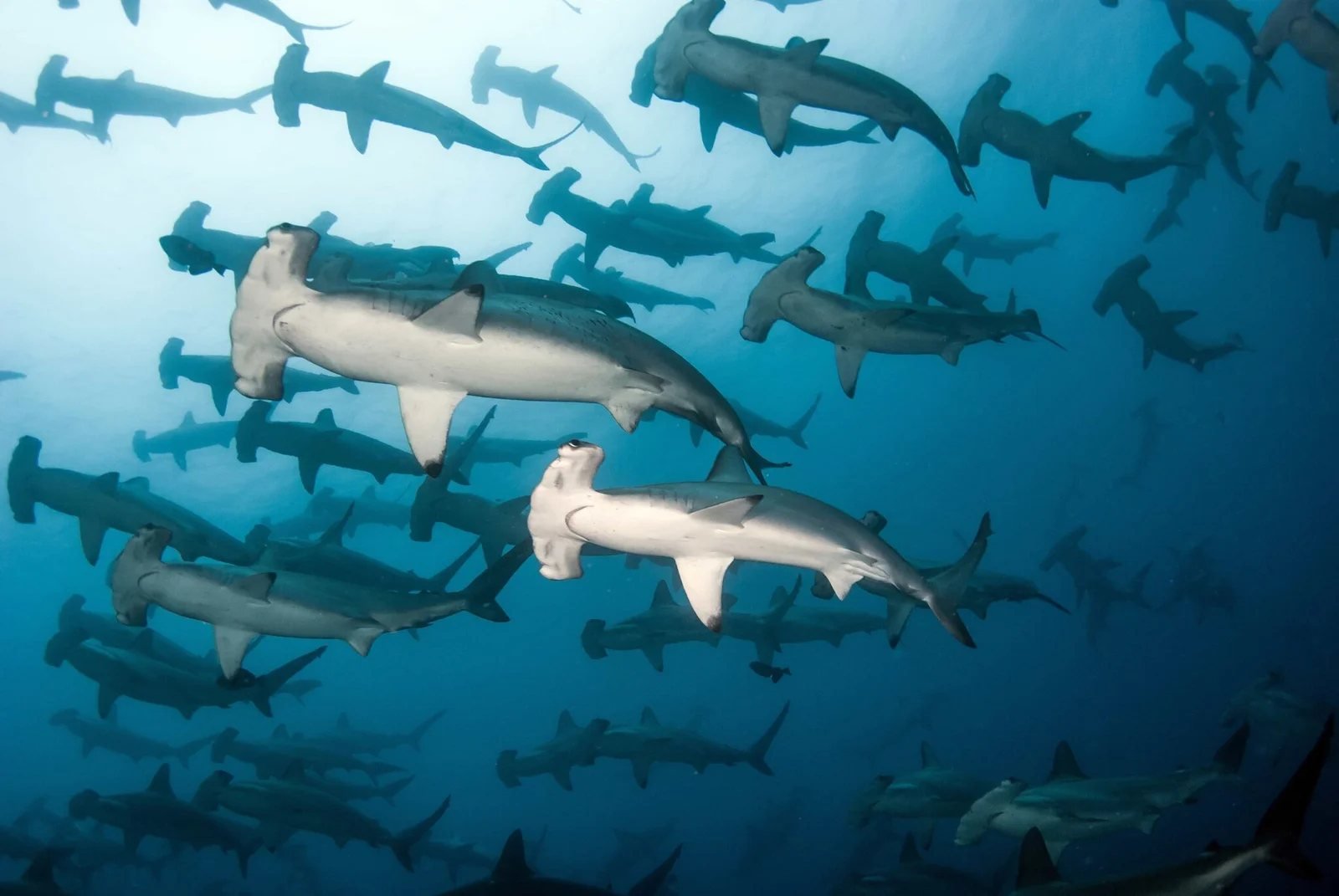
Diving in the Banda Sea can include volcanic walls, exposed ridges, coral reefs and submerged plateaus beside very deep water. Offshore sites are particularly known for pelagic fish and seasonal hammerhead encounters.
Some sites can be calm and clear; others involve current, cooler water and advanced conditions. Dive plans must follow the route, the guests' experience and the judgement of Supraba's dive team.
Banda Sea routes can include exposed dive sites as well as sheltered areas suitable for snorkelling. The daily plan depends on the route, anchorage and sea conditions.
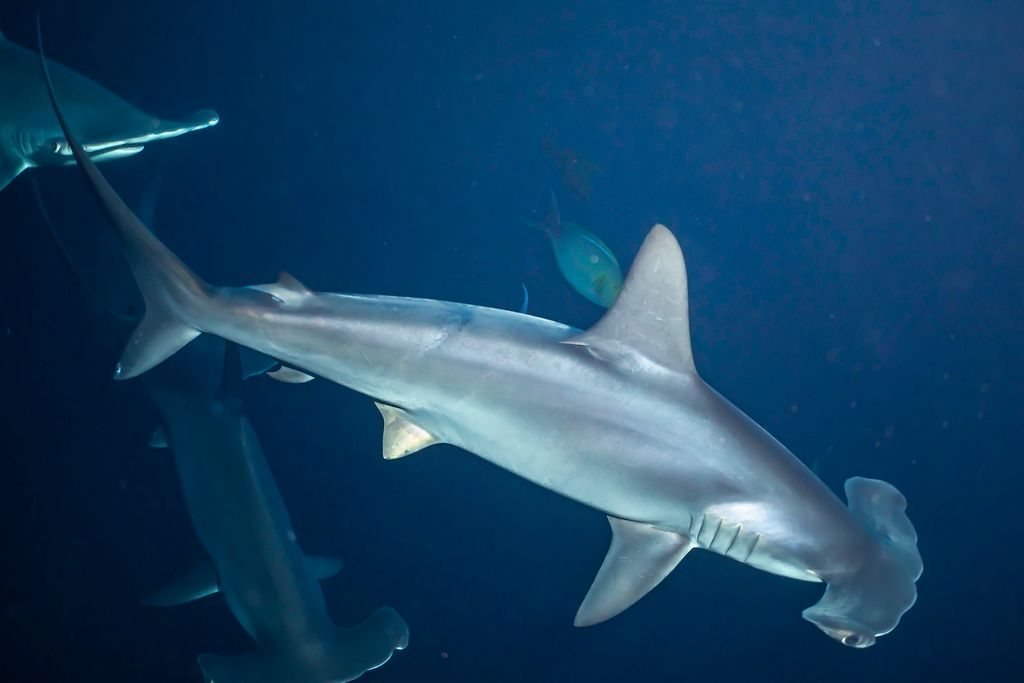
At selected ridges and seamounts, dives may focus on hammerheads, schooling fish and other pelagic species moving through open water.
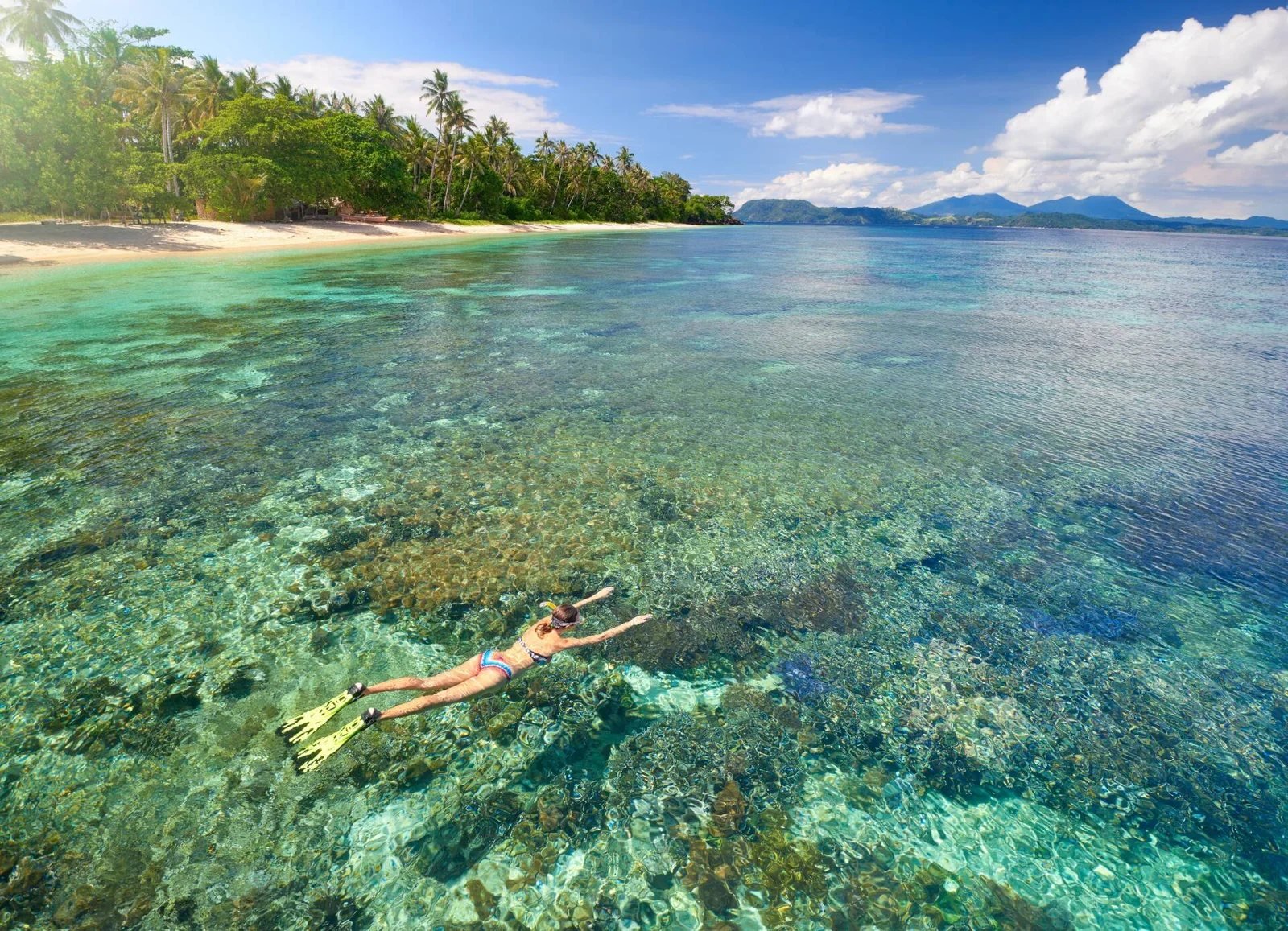
Some anchorages offer clear shallows and coral edges suitable for snorkelling when conditions allow.
The example below shows the types of days that may form part of a Banda Sea voyage. The individual departure page should always be used for the confirmed route.
The sequence below is illustrative. Actual sites, landings, dive plans, ports and night anchorages remain subject to the specific voyage and operating conditions.
Transfer to the vessel, settle into the cabin, complete briefings and begin the first passage away from the port.
Visit historic streets, forts and plantation areas connected to the Banda Islands' role in the global nutmeg trade.
Dive or snorkel coral growth and deep walls in some of the least-visited water in the region.
The team studies current, temperature and visibility before entering exposed sites where pelagic encounters may occur.
Some routes include longer passages to Manuk or other outer islands. Landings and activities depend on the specific itinerary and conditions.
Some voyages finish where they began; transition expeditions may arrive in another region entirely.
Supraba's principal Banda Sea window is September through November, including routes focused on offshore diving and seasonal hammerhead opportunities. Selected voyages may also operate in March and April during vessel transitions.
Water temperature, visibility and current can change from site to site and across the season. Guests joining a diving expedition should discuss recent experience, thermal protection and route expectations before booking.
Supraba's small guest capacity works well for Banda Sea routes, where dive planning, tender transfers, shore visits and changing conditions can require a flexible daily plan.
A focused voyage through the Spice Islands and selected remote reefs, according to the published departure route.
View Current Departures → Transition routeA longer expedition connecting volcanic Maluku with the limestone and reef systems of West Papua.
View Current Departures → Private enquiryReserve Supraba for a route planned around timing, experience level, cultural interests and feasible operating conditions.
Enquire About Charter →Exact dates, prices, cabin status and route details are confirmed on the Booking Schedule.
Review the cruise inclusions, diving inclusions, additional costs and route conditions before choosing a Banda Sea departure.
Read Full Planning Information →Practical answers about diving experience, hammerheads, departure ports, non-diver suitability and route differences.
Ask the Supraba TeamNot every Banda route is identical, but many signature sites are remote, exposed and potentially current-affected. Divers should discuss certification, recent experience and comfort in blue-water conditions before choosing a departure.
No. Hammerheads are wild, highly mobile animals. Season and site selection may improve the opportunity, but temperature, visibility, current and animal movement decide the encounter.
Ambon is a common gateway, but expedition routes may begin or finish in other ports including Alor, Tual, Saumlaki or another regional airport. The departure page must be treated as the source of truth.
Yes, on departures designed to balance diving and leisure. Banda Neira, historical visits, island landscapes, snorkelling, kayaking and life aboard can be rewarding, but some expeditions are more dive-intensive than others.
No. Banda Sea routes can differ substantially. Duration, embarkation port, destination sequence, weather and the voyage's purpose determine which sectors are included.
The Banda Sea involves open-water crossings and is commonly sailed when seasonal conditions and vessel-positioning routes are more suitable. This creates fewer but more expedition-focused departures.
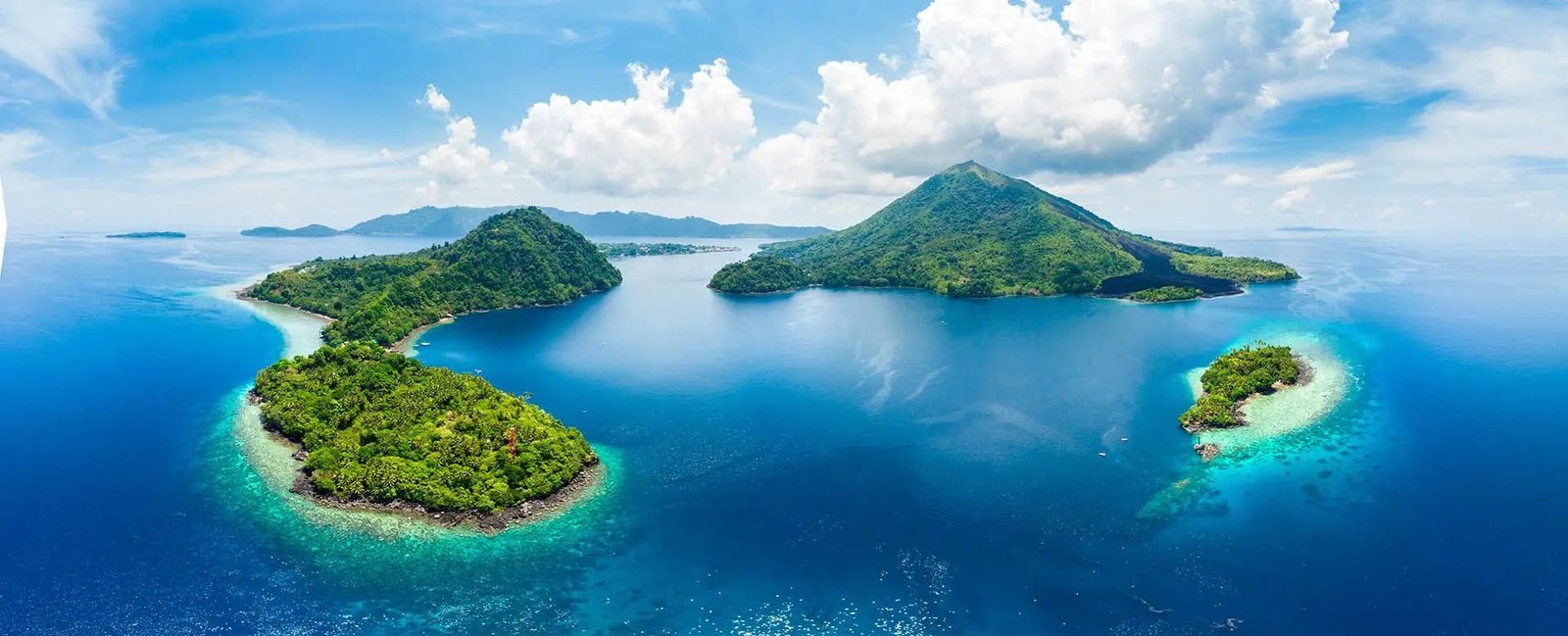
Join a scheduled Banda Sea expedition or speak with the Supraba team about a private voyage through Maluku and the Banda Islands.