The year Triton Bay's wider scientific importance came into focus
Marine surveys drew attention to its unusual coral communities, larger reef fish and endemic species, strengthening the case for protection.
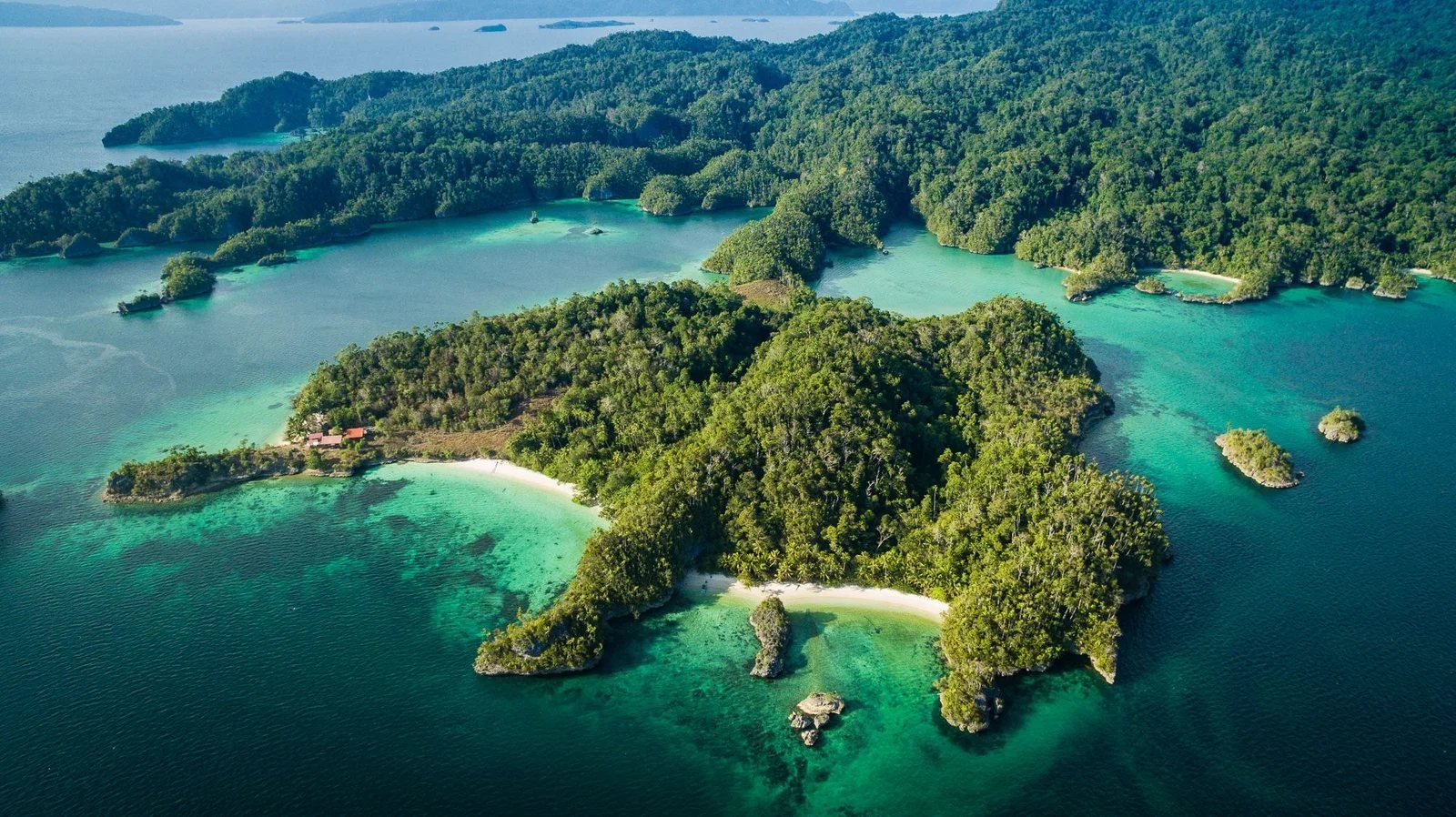
Explore Triton Bay from Kaimana aboard Supraba. Voyages may combine whale-shark encounters near traditional fishing platforms, diving and snorkelling on nutrient-rich reefs, limestone islands, rock art and selected shore visits.
Triton Bay combines limestone islands and undeveloped coastline with reefs known for dense soft coral, black coral, schooling fish and unusual macro life.
Nutrient-rich water can reduce visibility, but those same conditions support much of the coral and fish life the region is known for. Whale sharks may also gather near traditional fishing platforms when fishing activity and wildlife conditions align.
Exact whale-shark locations, dive sites, village visits, waterfalls and rock-art stops depend on the published voyage route, local permission, weather, sea conditions and wildlife activity.
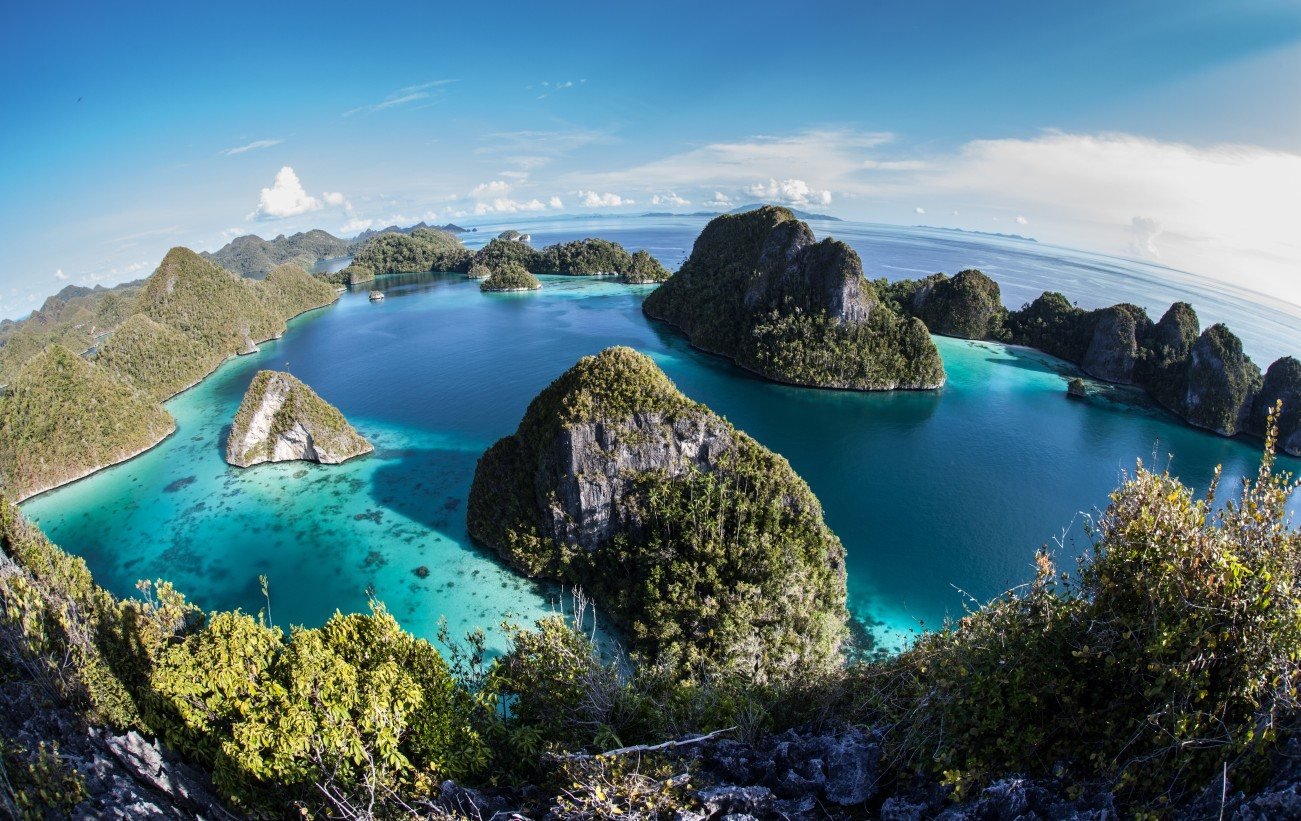 Limestone & Lagoons
Marine surveys drew attention to its unusual coral communities, larger reef fish and endemic species, strengthening the case for protection.
The nutrient-rich water is part of the reason the reefs support such dense coral growth and fish life. Triton rewards photographers who understand that clarity is not the only measure of a great dive.
A deliberately limited group works well for early-morning whale-shark sessions, tender transfers, photography, village permission and flexible dive planning.
Conditions are indicative rather than guaranteed. Visibility, current, temperature and wildlife activity change with season, location and daily conditions.
Two experiences are particularly associated with Triton Bay: the opportunity to encounter whale sharks near working bagans and diving on reefs known for dense soft-coral growth.
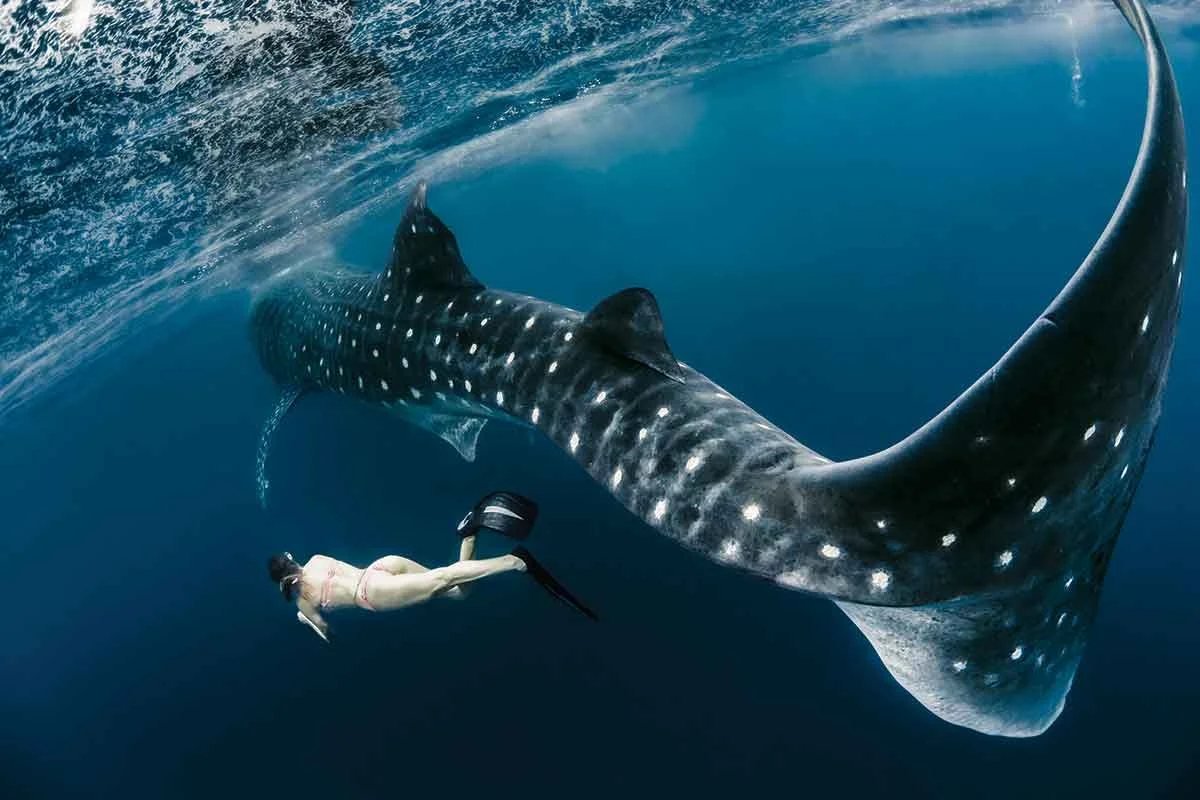
Traditional fishing platforms attract baitfish and may draw whale sharks close to the surface. Sightings depend on fishing activity and the movement of wild animals and cannot be guaranteed.
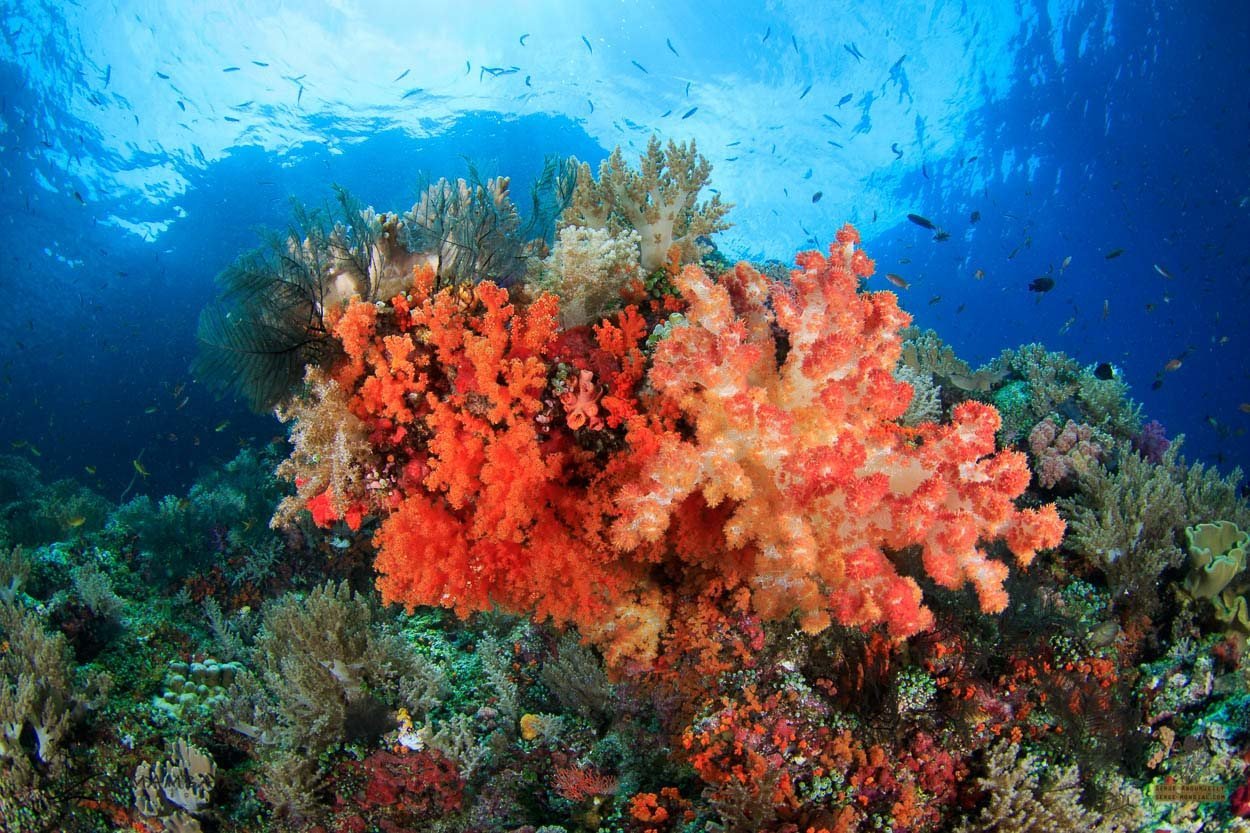
Walls, bommies and current-facing points carry layers of orange, pink, red and white soft coral, with black-coral growth and fish moving through every level of the reef.
Each departure is Kaimana-to-Kaimana, or a transition route toward Raja Ampat or the Banda Sea—check the individual departure listing for the confirmed route.
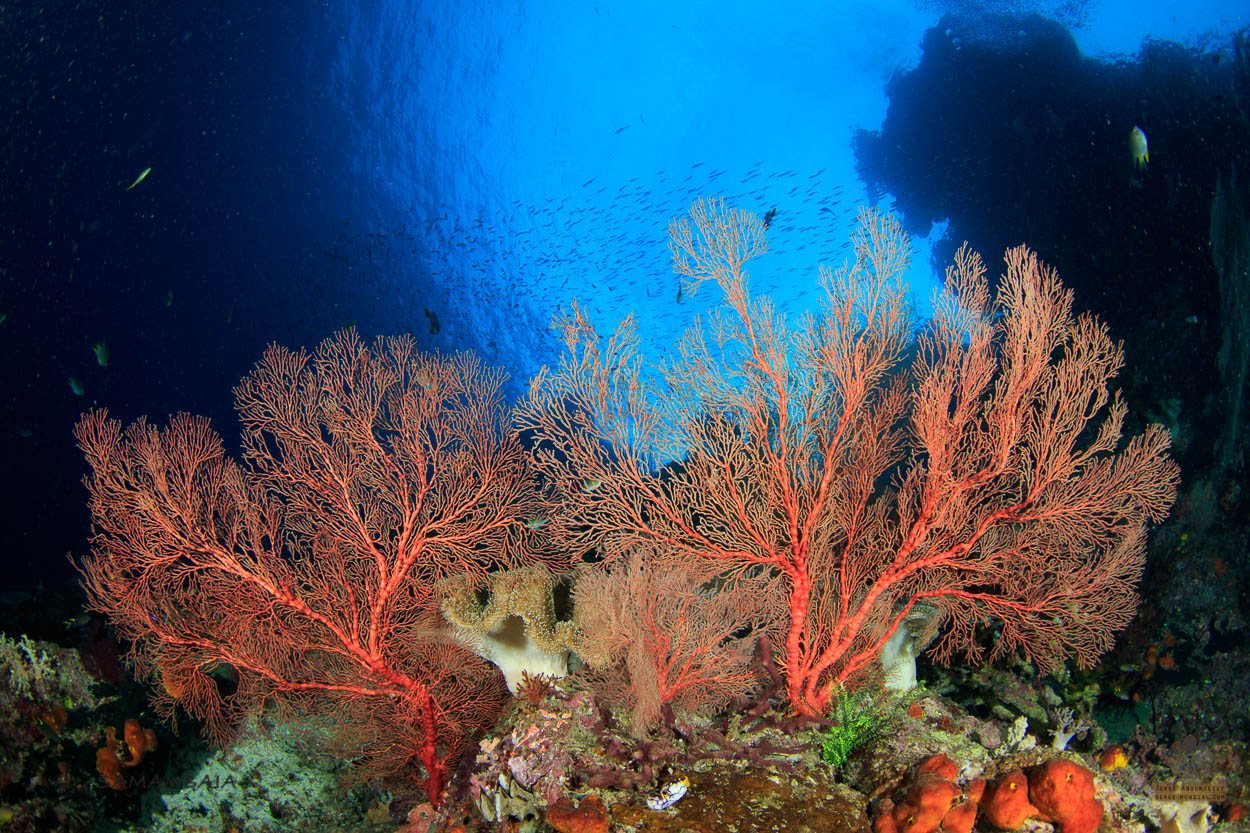
Freshwater influence and nutrient-rich water can reduce visibility in Triton Bay. Those conditions also support dense soft-coral growth, black coral and large numbers of reef fish.
Divers may encounter macro subjects such as pygmy seahorses and nudibranchs, along with groupers, wobbegongs and walking sharks.
Depending on the route and conditions, a Triton Bay voyage can combine whale-shark sessions with diving and snorkelling on the region's soft-coral reefs.
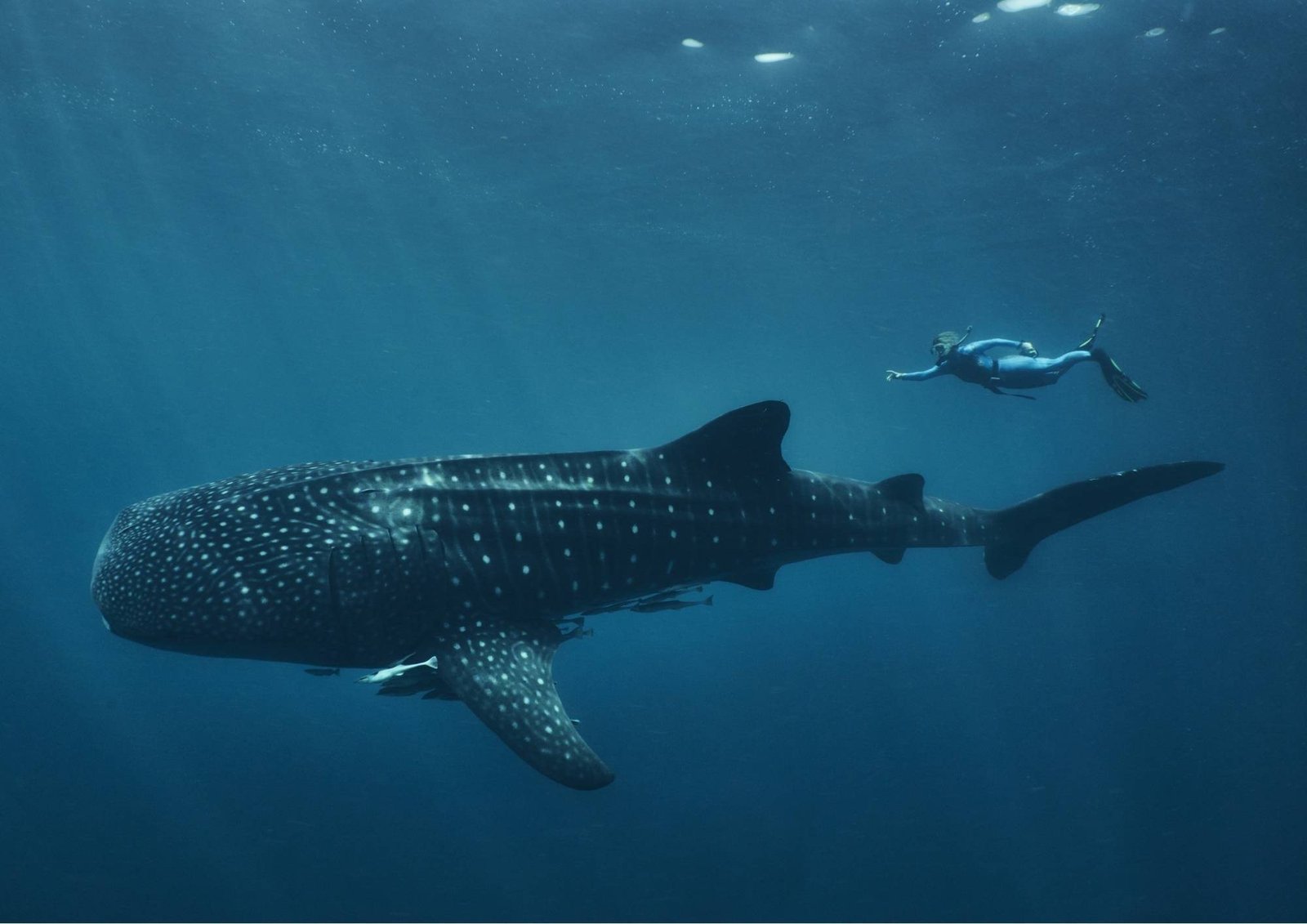
Early-morning sessions near working bagans may offer the chance to observe whale sharks. Entry into the water depends on conditions, fishing activity and crew guidance.
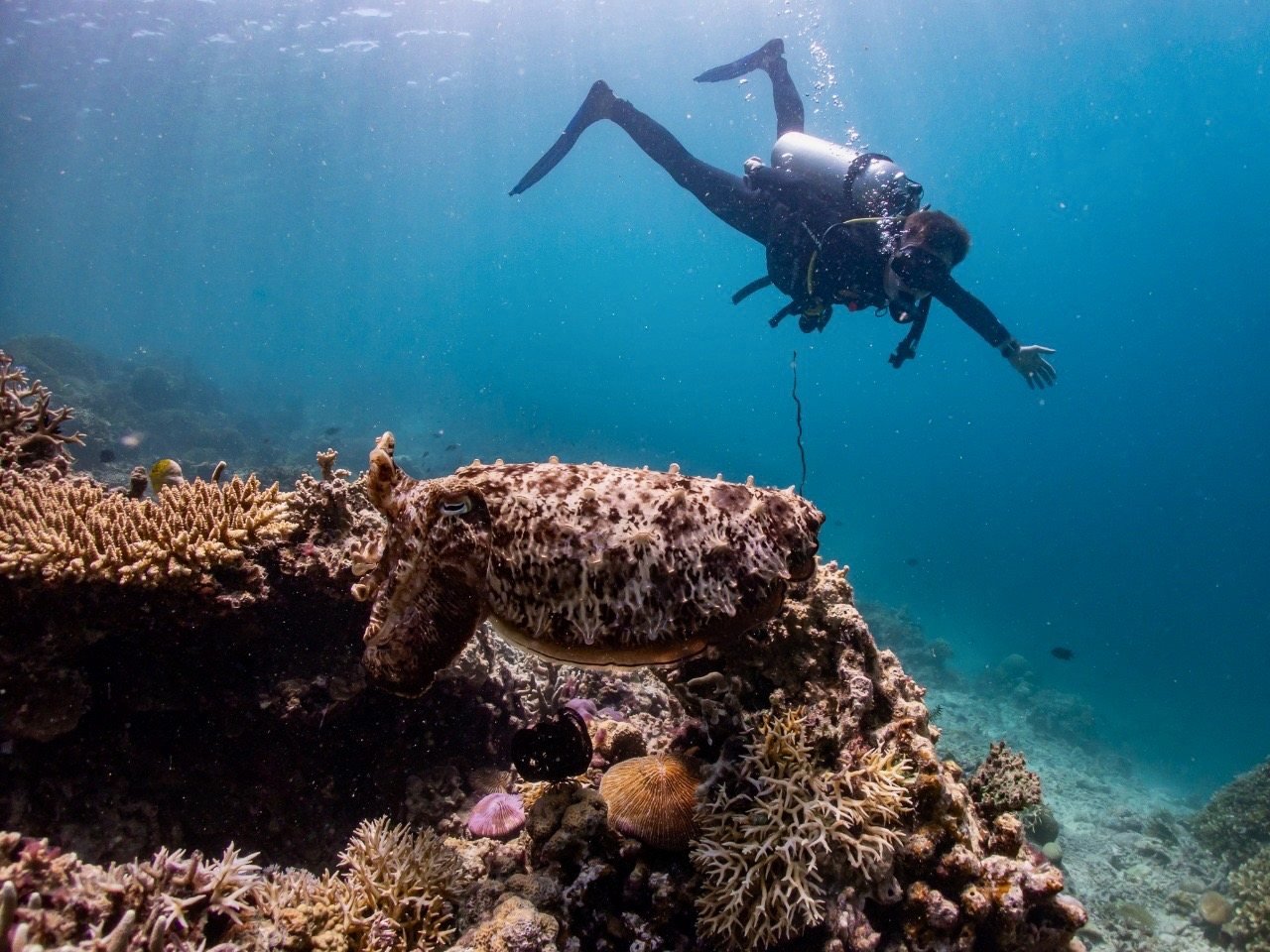
Dense soft coral, schooling fish and lower visibility make Triton Bay particularly interesting for close-range and wide-angle underwater photography.
Triton Bay itineraries need flexibility. Whale-shark activity, current, local permission, weather and route length can all change the order of activities. The departure page should always be used for the confirmed itinerary.
The sequence below is illustrative. Actual dive sites, whale-shark sessions, landings, cultural visits and anchorages remain subject to the voyage and operating conditions.
Transfer to the vessel, settle into your cabin, complete the safety and dive briefings and begin the voyage.
The first dives introduce Triton Bay's visibility, current, soft-coral growth and reef structure.
The team checks fishing activity and whale-shark presence before deciding whether and how guests may enter the water.
Where access and permission allow, the itinerary may include rock-art sites or visits to local settlements.
Diving, snorkelling, kayaking or a waterfall excursion may be selected according to the route and conditions.
Some departures form a complete Triton Bay voyage; others continue toward Raja Ampat, the Banda Sea or another seasonal route.
Supraba principally plans Triton Bay voyages from October through April. Conditions can vary across the season, with changes in water temperature, nutrient levels and visibility.
Whale sharks may be encountered during this period, but sightings depend on fishing activity, moon phase and animal movement and cannot be guaranteed.
A small group works well in Triton Bay, where whale-shark sessions, tender transfers, photography, dive planning and local access can require changes during the day.
A Kaimana-based route focused on the bay's reefs, whale-shark opportunity, cultural coast and remote anchorages.
View Current Departures → Transition routeA longer West Papua expedition connecting Kaimana's nutrient-rich reefs with the limestone islands and biodiversity of Raja Ampat.
View Current Departures → Private enquiryReserve Supraba for a voyage planned around photography, diving, snorkelling and feasible access through Kaimana's marine region.
Enquire About Charter →Exact dates, prices, cabin status and route details are confirmed on the Booking Schedule.
Review the main cruise inclusions, diving inclusions and additional costs before choosing a Triton Bay departure. Full medical, diving, insurance, payment and travel requirements are available in the planning information.
Read Full Planning Information →Practical answers about whale sharks, visibility, departure ports, non-diver suitability, season and route-dependent activities.
Ask the Supraba TeamNo. Whale sharks are wild animals and their presence depends on fishing activity, baitfish, moon phase and natural movement. The crew may improve the opportunity through timing, but cannot guarantee a sighting.
Freshwater influence and nutrient-rich water can reduce clarity. Those conditions also support dense coral growth, filter-feeding life and large numbers of fish, which are central to Triton's character.
Kaimana is the principal gateway for dedicated Triton Bay routes. Longer transition expeditions may begin or finish in Sorong, Tual, Ambon or another regional port, so the departure page is the source of truth.
Yes, on voyages designed to include leisure experiences. Snorkelling, whale-shark sessions, kayaking, limestone scenery, beaches, rock art and village visits can all be meaningful, but some departures may be more dive-focused than others.
October through April is the clearest core window for liveaboard planning. Selected voyages may operate in September or May, while the southeast monsoon can make June through August or September more difficult.
No. These visits depend on the route, timing, local permission, sea conditions and the priorities of that specific departure. They should only be listed as included when confirmed on the voyage page.
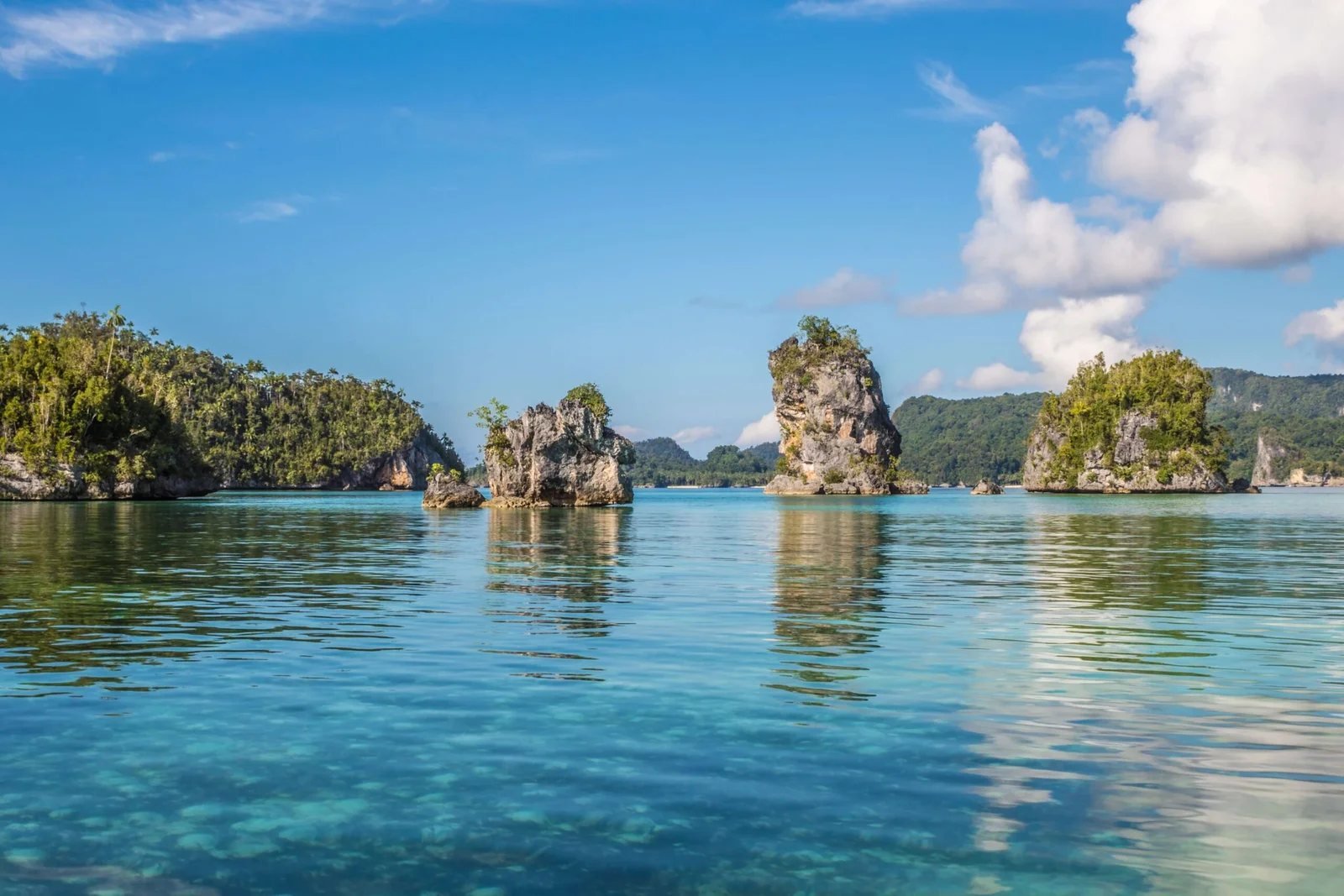
Join a scheduled Triton Bay voyage or speak with the Supraba team about a private charter through Kaimana and southern West Papua.