Vessel Readiness
Navigation, communication, fire, lifesaving and first-aid equipment support operations in remote Indonesian waters.
Remote travel rewards careful preparation. Supraba combines vessel equipment, experienced decision-making, guest briefings and clear activity procedures so that everyone aboard understands how safety is managed from departure to return.
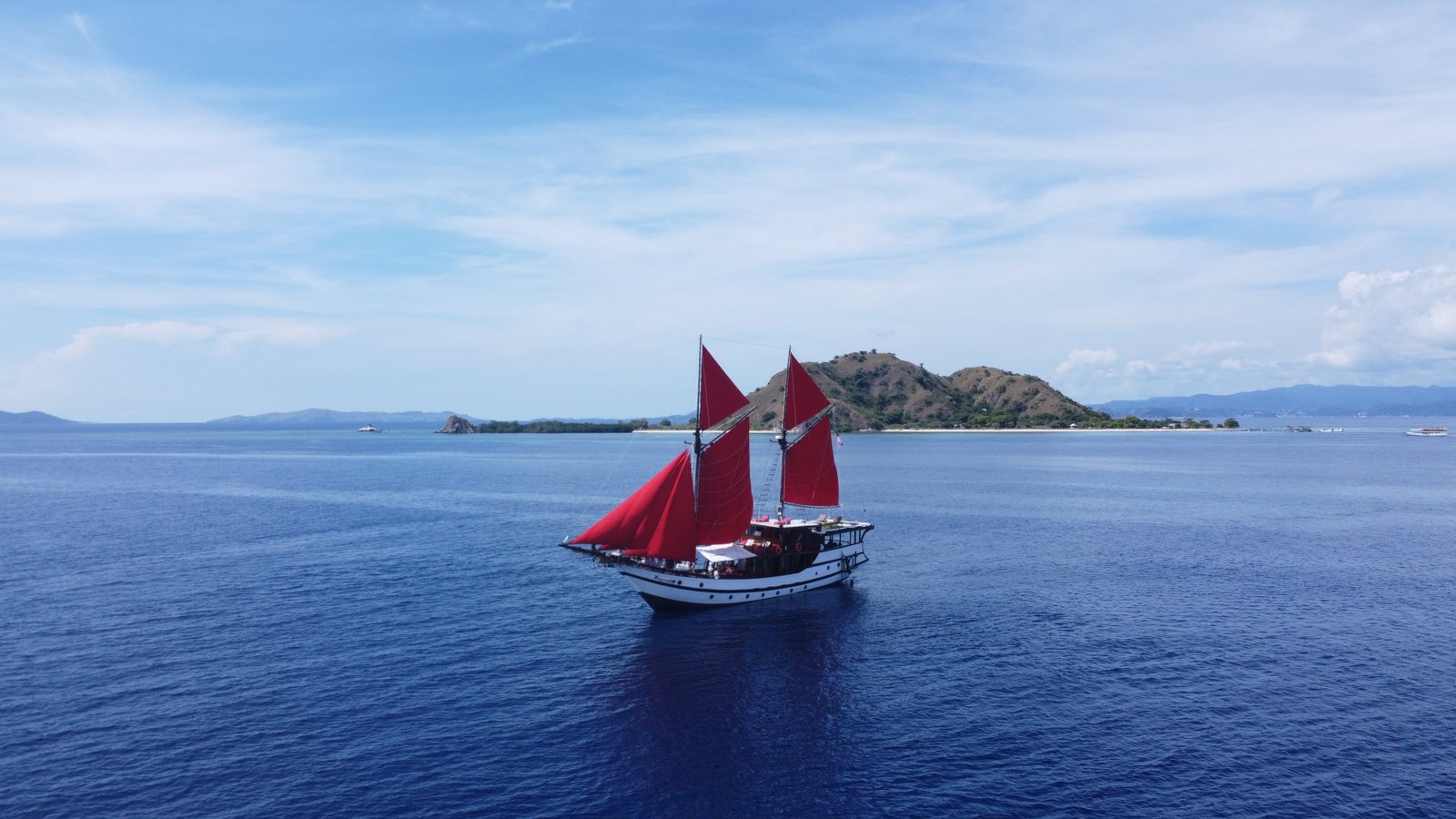
Equipment matters, but it only works as part of a wider system: a maintained vessel, a crew that knows the route, current weather information, clear briefings, suitable guest preparation and the authority to change a plan when conditions require it.
Navigation, communication, fire, lifesaving and first-aid equipment support operations in remote Indonesian waters.
The captain, cruise director, engineer, dive team and deck crew each have defined responsibilities before and during activities.
Routes, dive sites, landings and tender operations remain subject to weather, currents, visibility and the captain’s assessment.
Accurate health information, appropriate insurance, certification, personal medication and attention to briefings are essential parts of safety.
Supraba’s currently published inventory covers the principal safety systems expected on a remote liveaboard voyage.
Published total capacity: up to 30 people.
Located in guest cabins and designated common areas.
Positioned for rapid access around the vessel.
For initial response to common onboard and activity-related injuries.
Available for dive and medical emergency response.
Distributed throughout operational and accommodation areas.
Fitted in cabins and shared areas to give early warning of fire.
Two GPS units are listed in Supraba’s published inventory.
Two sounders support route and anchorage awareness.
An Icom radar supports navigation and situational awareness.
Three Icom VHF radios are listed for short-range communication.
Longer-range vessel communication capability.
Emergency Position Indicating Radio Beacon, alerting search-and-rescue authorities with the vessel's position in a distress situation.
Search and Rescue Transponder, helping rescue vessels and aircraft locate the ship in an emergency.
Emergency communication support when ordinary mobile coverage is unavailable.
Equipment location, operating condition and guest procedures are explained during the onboard safety briefing. Exact model numbers and inspection dates should be maintained in Supraba’s internal safety records rather than treated as permanent marketing copy.
Safety information is introduced in stages so that guests understand the vessel, the activity and the conditions relevant to that day.
Travel documents, emergency contacts, insurance, medical information, certification and equipment requirements are collected before boarding.
Guests are shown life jackets, muster arrangements, emergency exits, fire precautions, restricted areas and how to move safely around the vessel and tenders.
Before diving, snorkelling, kayaking, paddleboarding or shore visits, the crew explains entry, exit, group arrangements, expected conditions and recall procedures.
Plans are reviewed as weather, currents, visibility and guest experience change. Instructions given on the day take priority over the outline itinerary.
Indonesia offers extraordinary diving, but currents, depth, remoteness and experience requirements vary by destination. The dive team assesses each plan against certification, logged experience, recent diving activity and current conditions.
Site topography, currents, depth, entry and exit, group plan, signals, air management, separation procedures and recall arrangements are reviewed before entering the water.
Divers follow the assigned guide and buddy arrangements. No guest should separate from the group, exceed personal certification limits or continue a dive when uncomfortable.
The dive team assesses each diver's certification and logged experience against the demands of the site. A guest whose experience is not yet matched to a site's conditions may require prior approval, additional coaching or private supervision. A site may be changed or declined if conditions are unsuitable.
Tender support, diver accounting, first-aid equipment and emergency oxygen form part of the response plan for diving operations.
Certification does not guarantee participation at every site. The captain, cruise director and dive team may restrict or cancel a dive based on conditions, recent experience, health, equipment or safe group composition.
Remote cruising means that professional medical facilities may be hours away. The response priority is to stabilise the situation, communicate clearly and coordinate the most appropriate evacuation route available.
The activity is halted, the guest is recovered to a safe location and the responsible crew member assesses the immediate risk.
Appropriate onboard first aid or emergency oxygen is provided while the guest is monitored and information is gathered.
The captain and cruise director use the available radio or satellite systems to contact relevant medical, maritime or evacuation support.
The vessel or tender proceeds according to the emergency plan and professional advice, taking weather, distance and the nearest appropriate facility into account.
Guests are responsible for carrying travel insurance appropriate to their trip. Divers must have insurance that covers diving-related medical treatment and emergency evacuation. Remote evacuation costs can be substantial and are not included in the cruise fare.

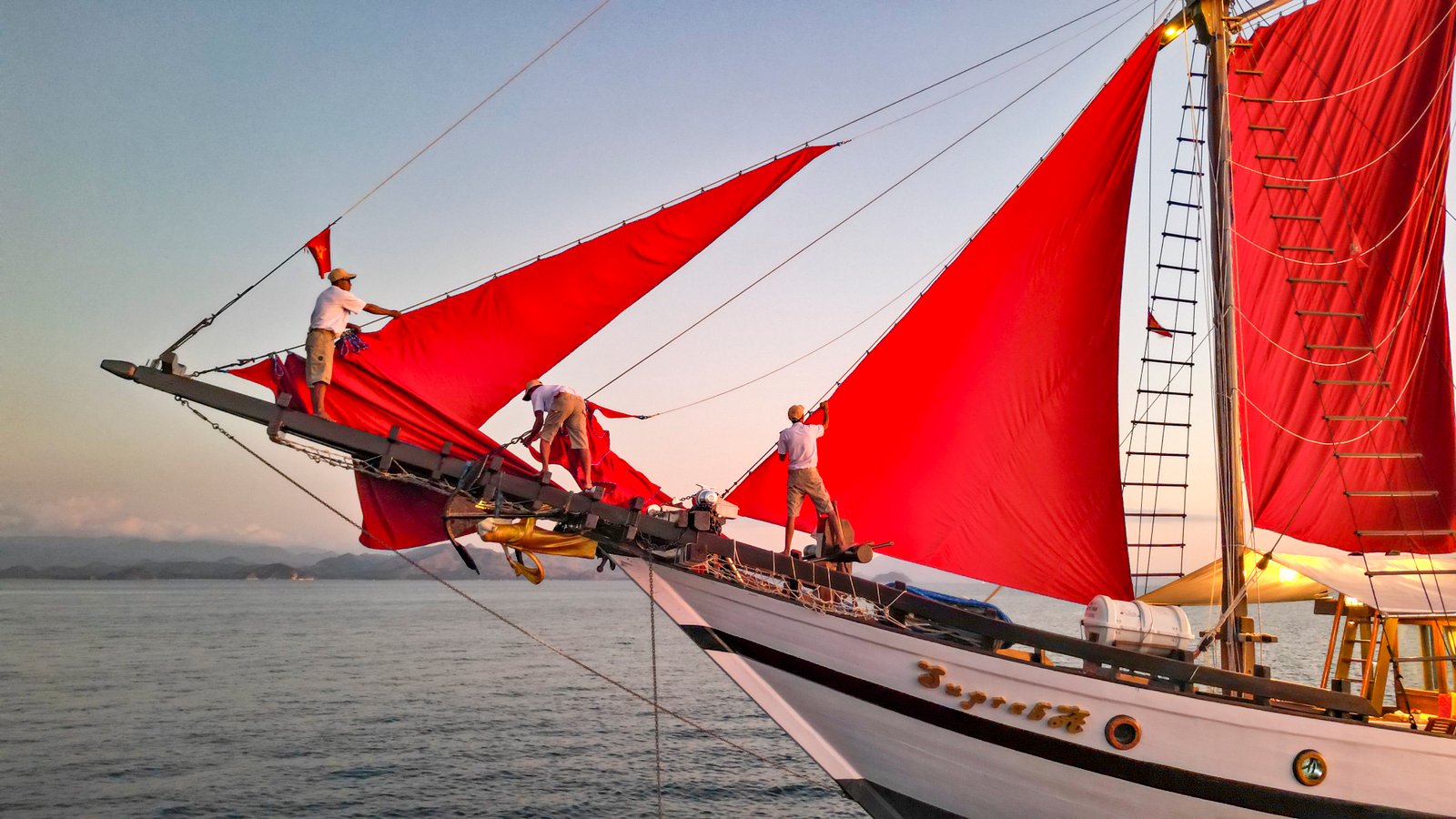
An itinerary describes the intended voyage, not a guarantee that every site or activity will be possible. Wind, swell, currents, visibility, harbour instructions, vessel traffic and guest safety may require changes.
The captain has final authority over navigation and vessel safety. The cruise director and dive team make activity decisions within that operating framework.
Leisure guests receive the same clear expectations for tenders, snorkelling, paddling, shore visits and family supervision.
Follow the assigned guide, remain within the designated area and tell the crew about confidence, health or flotation needs before entering the water.
These activities operate only in suitable water and weather conditions. The crew sets the permitted area and return time.
Board and disembark only when instructed. Keep hands clear, remain seated during transit and secure cameras or loose equipment.
Footing, heat, wildlife and tender landings vary. Parents or guardians remain responsible for supervising children at all times.
A remote vessel cannot provide the same medical access as a city hotel. Accurate information helps Supraba assess whether reasonable arrangements can be made and whether additional medical advice is needed.
Guests should bring sufficient prescribed medication, understand its storage requirements and tell the team about allergies, mobility limitations, dietary restrictions or conditions that could affect participation.
Confirm the policy covers your destinations, planned activities and remote medical evacuation.
Complete guest forms honestly and update Supraba if anything changes before departure.
Bring enough for the full voyage plus delay allowance, in original packaging where possible.
Divers should carry certification, logged-experience information and valid dive-insurance evidence.
Arrive in the departure city early enough to reduce the risk of missing embarkation because of domestic-flight disruption.
Guests remain responsible for their decisions, personal health, equipment, supervision of minors and compliance with instructions. The crew cannot safely manage risks that have not been disclosed or directions that are ignored.
Instructions may change as conditions change. Guests must respect restricted areas, tender loading procedures, dive plans, recall signals and activity cancellations.
A small concern is easier to manage before it becomes an emergency. Tell the relevant crew member if you feel unwell, seasick, anxious, unusually tired or uncertain about an activity.
Participation is never compulsory. Guests should decline an activity when they do not feel capable and must not exceed certification or experience limits to keep pace with another guest.
Review the practical answers, insurance requirements and contractual conditions before submitting a booking request.
Flights, transfers, packing, cabins, meals, diving, children and daily life aboard.
Insurance, payments, changes, cancellations, responsibilities and itinerary authority.
Discuss medical considerations, accessibility, diving experience or private-charter requirements before booking.
Share your diving experience, health considerations, accessibility needs or family requirements before selecting a departure. The Supraba team can explain what is practical for the route you are considering.