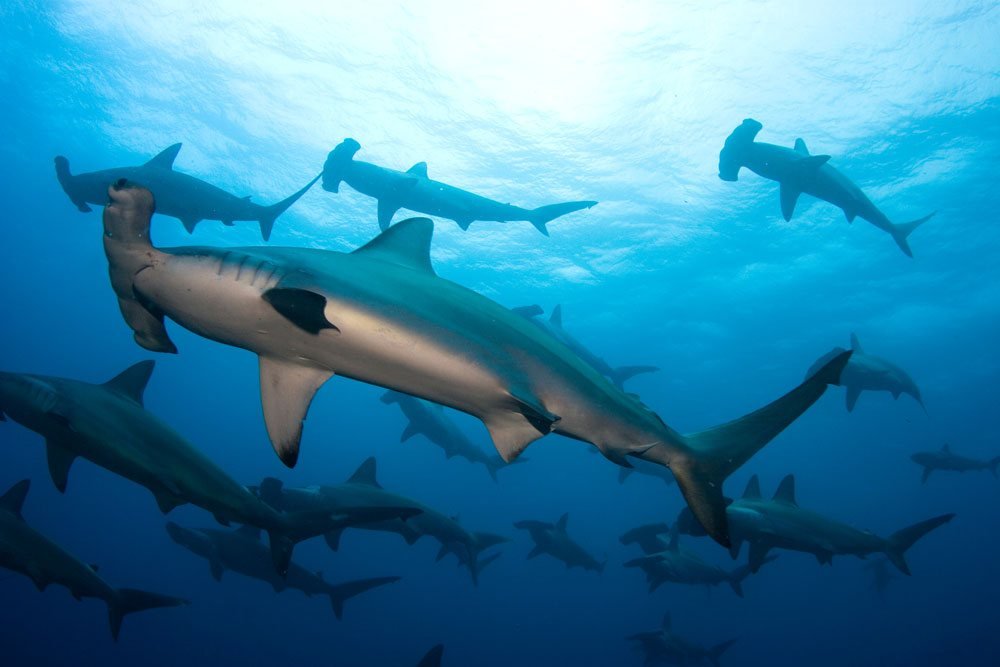
The first thing to understand about hammerhead diving in the Banda Sea is that the sharks are not an attraction waiting at a fixed point. They move through a huge body of deep ocean, and the best dives depend on being in the right region during a narrow seasonal window, then reading the conditions well enough to choose where and when to enter the water.
That uncertainty is part of the reason the Banda Sea carries such a strong reputation among experienced divers. The journey is remote. The crossings are longer than a compact resort itinerary. Many of the most interesting dive sectors sit beside open water, volcanic islands and submerged ridges rather than sheltered bays. When hammerheads arrive, they arrive inside a much larger expedition experience.
For divers planning around sharks, the useful question is not simply whether hammerheads live in the Banda Sea. They do. The useful questions are when the seasonal conditions are strongest, which parts of a route are associated with encounters, and whether the trip still makes sense if the sharks remain beyond sight on a particular dive.
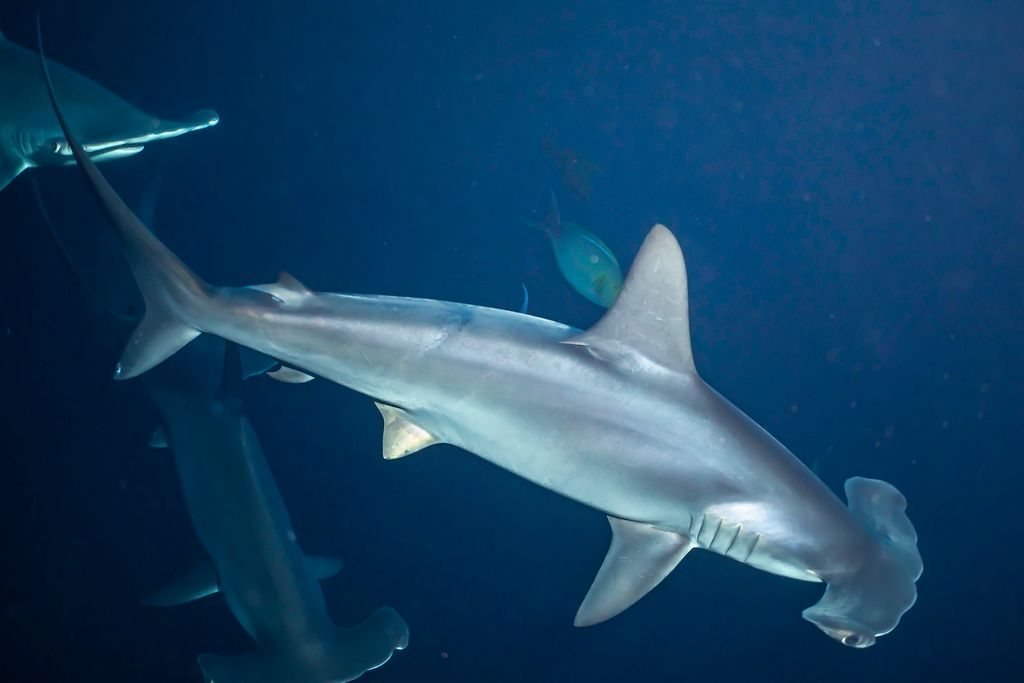
When is the Banda Sea hammerhead season?
September through November is the principal Banda Sea hammerhead window. This is the period most strongly associated with liveaboard routes built around remote seamounts, deeper ridges and the possibility of schooling scalloped hammerheads. Cooler water layers can move closer to recreational diving depths during this transition period, and experienced operators concentrate many of their shark-focused expeditions around it.
Within that window, conditions still change from week to week. Current, thermoclines, visibility and water temperature influence where the sharks are seen. A productive site one morning can feel empty on another day. Even during a strong season, wildlife does not work according to a booking calendar.
March through May forms a second Banda Sea expedition window. It can offer excellent diving and selected routes through the region, with opportunities for pelagic encounters depending on the year and the conditions. It should not, however, be presented as identical to the September through November hammerhead period. Divers whose main purpose is to maximise the chance of schooling hammerheads should usually place greater weight on the later-year window.
September through November is the main hammerhead-focused period. March through May is a second expedition season with strong Banda Sea diving, but shark activity can be less predictable. Both windows exist because the region is sailed during relatively narrow transition periods between broader seasonal weather patterns.
Why does season matter so much in the Banda Sea?
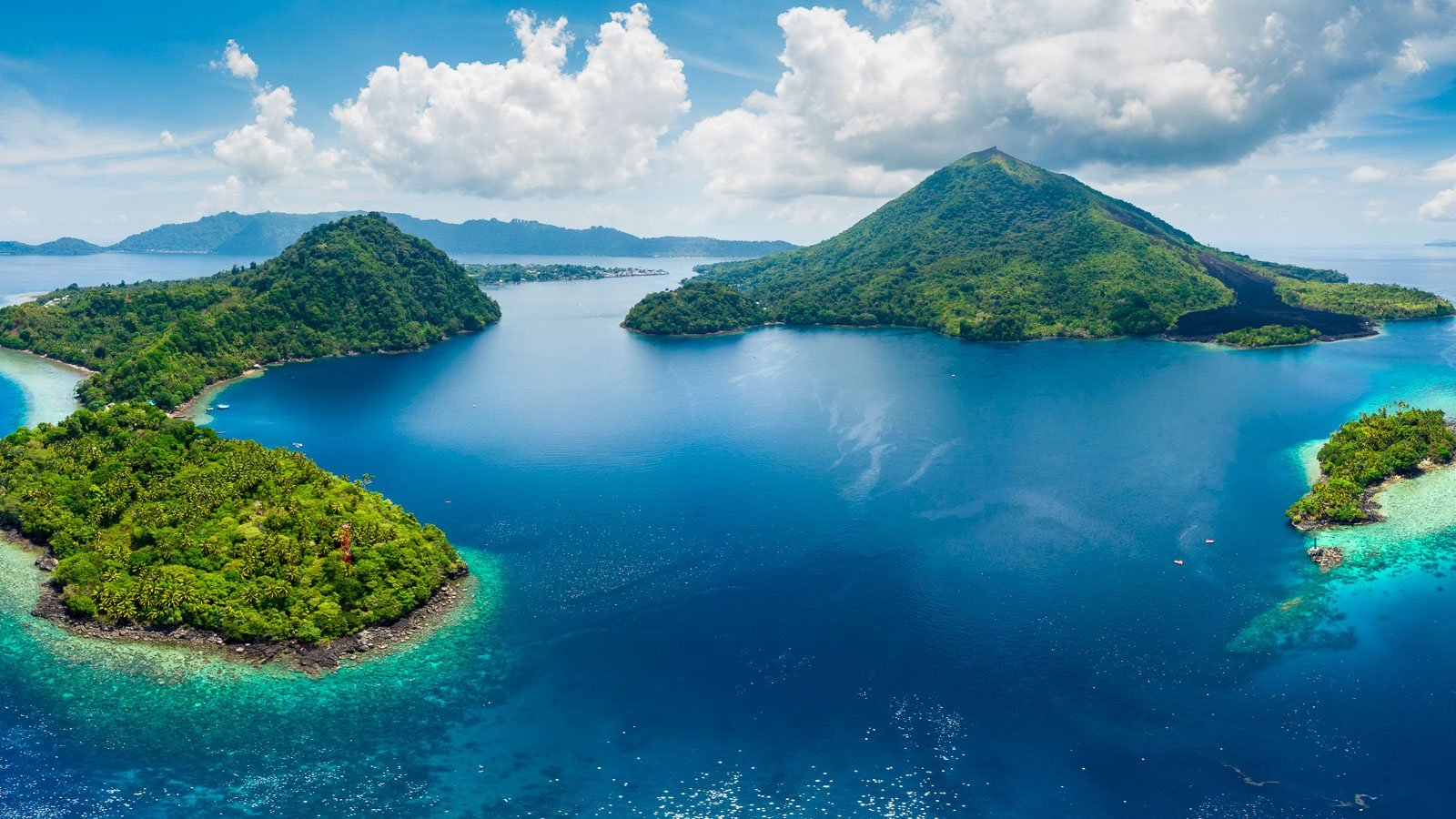
The Banda Sea is not a shallow enclosed lagoon. It is a deep ocean basin broken by volcanic islands, reefs, pinnacles and ridges that rise sharply from surrounding water. Those features can concentrate current and nutrients, creating the conditions that attract schooling fish and larger pelagic animals.
Hammerheads are especially interesting because divers are often looking for them where reef structure meets deep blue water. Cooler layers, current direction and the position of the thermocline can affect the depth at which sharks pass a site. The best encounter may therefore require patience at the edge of the reef rather than constant movement across coral.
This is why a season description should never be reduced to a statement that a particular month guarantees sharks. The season improves probability. It does not remove the ocean from the equation.
A hammerhead expedition is strongest when the voyage is worth taking even before the sharks appear.
Where do divers look for hammerheads?
The Banda Sea covers an enormous area, so there is no single place called the hammerhead site. Routes can include different sectors depending on embarkation port, trip length, sea conditions and the direction in which the vessel is moving through eastern Indonesia.
On Supraba's Banda Sea destination page, the outer seamount sectors around Suanggi are identified as part of the region's hammerhead country. These are the kinds of dives where the reef can act as a reference point while attention repeatedly shifts away from the coral and into the water column.
Other Banda routes may continue toward isolated volcanic islands such as Manuk, where the appeal includes dramatic underwater terrain, pelagic life and unusual sea-snake activity. Not every departure combines the same islands, and not every route reaches the same shark-focused sector. The itinerary should always be read as a voyage through a region rather than a checklist of guaranteed wildlife stops.
What does a hammerhead dive actually feel like?
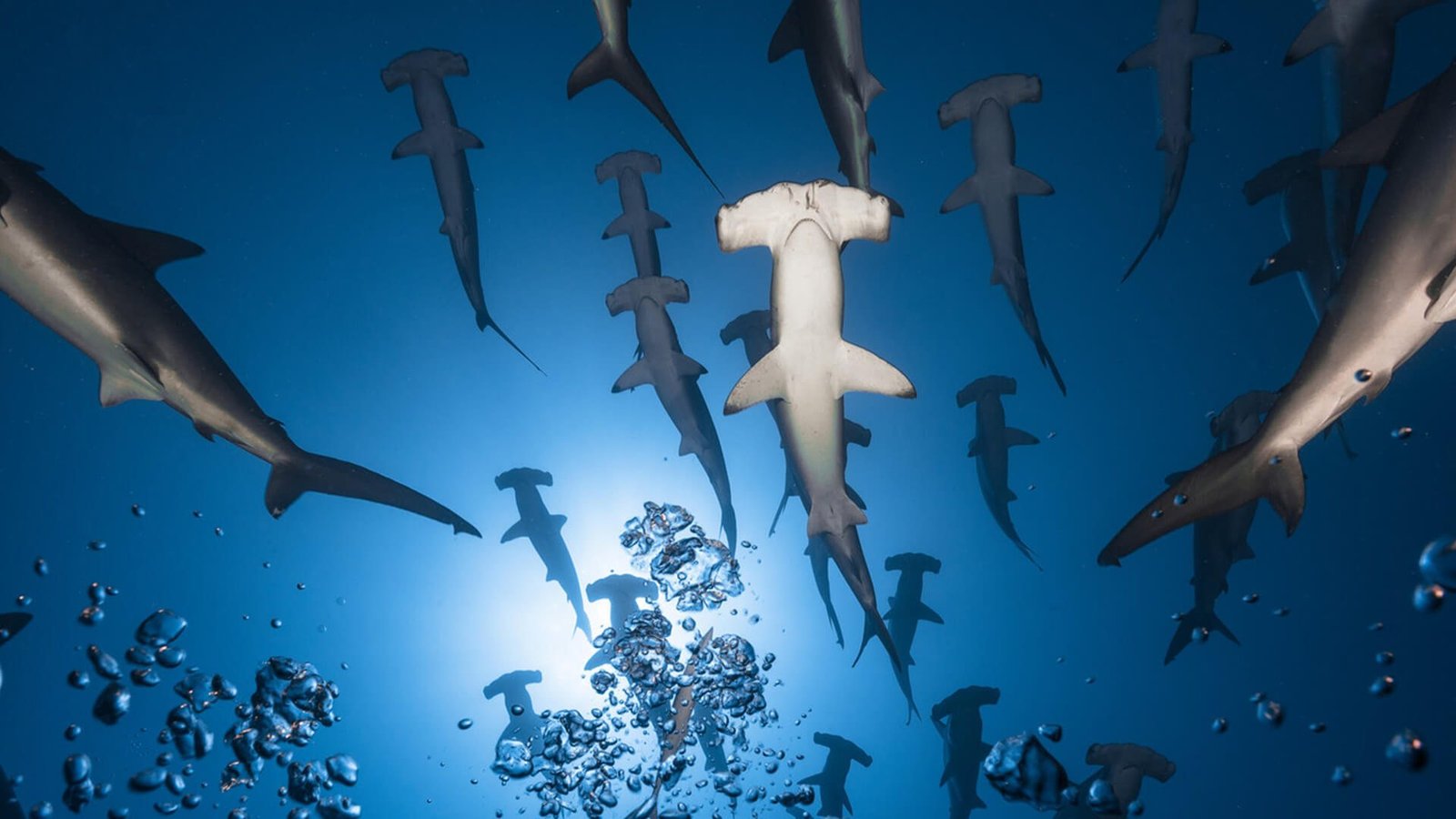
For divers accustomed to coral photography, a hammerhead dive can require a different kind of attention. The most interesting part of the dive may not be directly beneath you. The guide may position the group along a ridge or drop-off and spend long periods watching into open water.
There can be moments when very little appears to happen. Then a silhouette forms at the edge of visibility. One shark becomes several. A school may pass at distance, circle closer, disappear below the thermocline or remain only briefly before moving on. The encounter can be quiet and fast rather than theatrical.
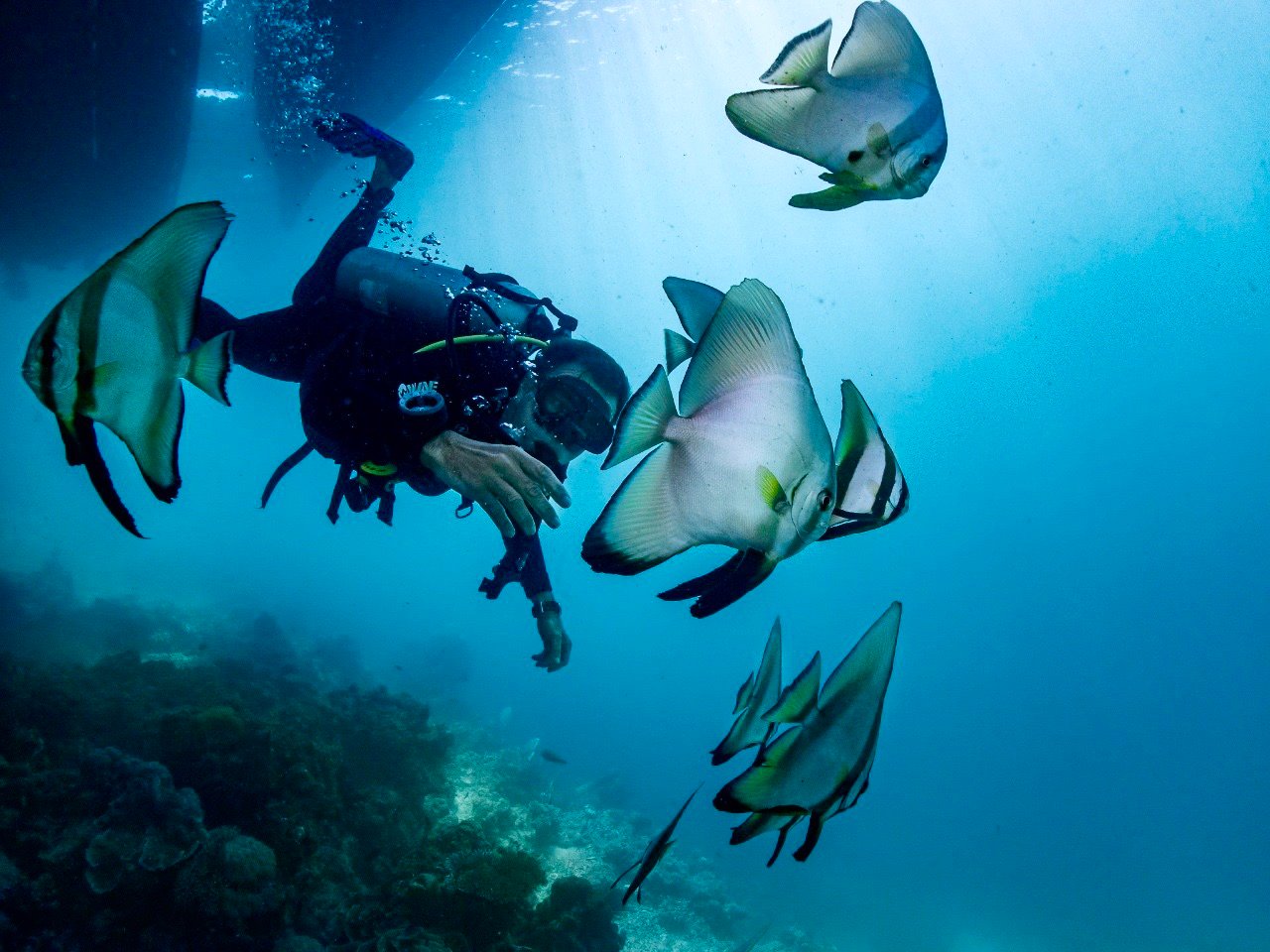
Good buoyancy is particularly important because a diver who is constantly adjusting position can lose awareness of the group, depth and current while looking into the blue. Air consumption matters for the same reason. A calm diver with good control has more time to wait and observe without turning the search into a chase.
The Supraba activities page explains the wider diving setup aboard the vessel, including how diving sits alongside snorkelling and shore activities on different routes.
Current is part of the dive, not an inconvenience around it
Many Banda Sea sites are exposed enough that current can shape the entire dive plan. That does not mean every dive is difficult, but it does mean the team must treat conditions seriously. Entry point, descent, group position and pickup can all change according to what the water is doing.
For this reason, divers should be open about recent experience before choosing a departure. A certification card does not describe whether someone is comfortable descending promptly, maintaining position in blue water, following a guide near a drop-off or making a controlled ascent when the reef is no longer directly beneath them.
Supraba's Safety page explains the broader approach to remote-water operations. For a Banda Sea expedition, this matters because the diving takes place far from the infrastructure of a major resort destination.
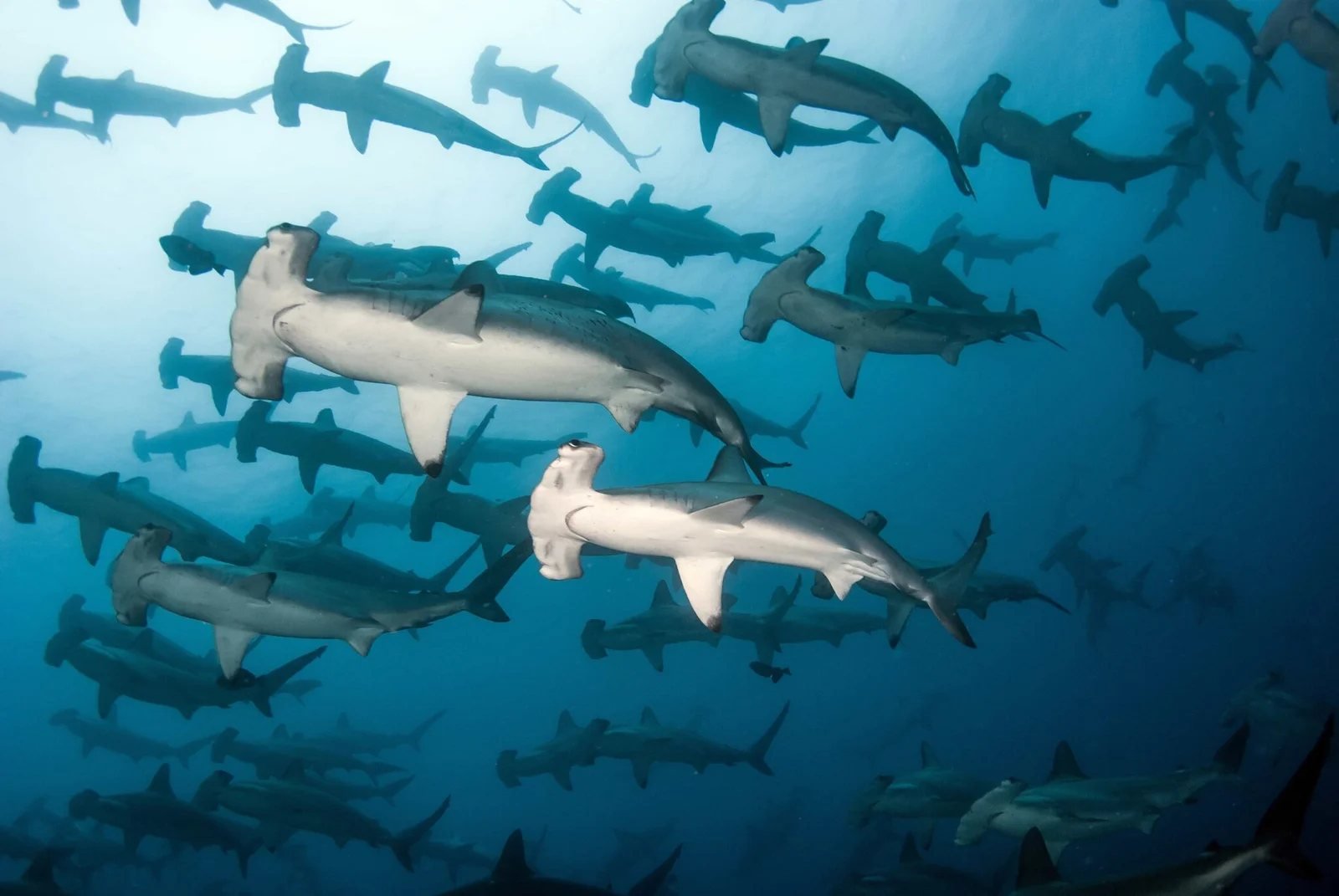
Are Banda Sea hammerheads guaranteed?
No. A responsible article should say this clearly.
Seasonal knowledge can improve the chance of an encounter. Experienced guides can recognise productive sites and choose a dive plan around current and conditions. A liveaboard can move through the region and give the team more than one opportunity to search. None of those things gives control over a wild animal moving through deep ocean.
That is especially important when a trip represents a significant investment. Divers should choose the Banda Sea because the expedition itself is compelling: remote reefs, volcanic islands, large schools of fish, sea snakes, historic Banda Neira and the feeling of crossing an open sea. Hammerheads can become the defining moment of the voyage, but they should not be the only measure of whether the journey succeeded.
What kind of diver is best suited to this trip?
Banda Sea expeditions tend to reward divers who are comfortable with flexibility. The strongest routes may involve current, blue-water positioning, deeper reef edges and tender pickups away from a fixed mooring. Conditions can also vary substantially between sites on the same voyage.
This does not mean that every guest must have an extreme level of experience. It does mean that recent diving matters. Divers who have spent a long period out of the water should discuss a refresher and their comfort level before committing to a shark-focused expedition. Guests who strongly prefer shallow, still water may be happier on a route with a different emphasis.
It is also worth asking how the operator groups divers, how many guides are available, whether Nitrox is offered, how tenders are used and how the crew changes the plan when a site is not suitable for the group. The Supraba vessel page provides more detail about the onboard dive area, tenders and the spaces used between dives.
What should underwater photographers expect?
Hammerhead photography in the Banda Sea can be rewarding precisely because it is not controlled. It can also be frustrating. Sharks may remain beyond the ideal lens distance. Visibility can be excellent in one layer and hazier around a thermocline. Current can make it difficult to hold the exact position a photographer wants.
A very wide lens is useful when a school comes close, but patience and positioning usually matter more than chasing a frame. Divers who swim aggressively toward hammerheads often achieve the opposite of what they want. Scalloped hammerheads can be cautious around divers, and a calmer group can sometimes allow the animals to choose the distance.
Camera preparation should happen before the tender ride. Batteries, memory cards, housing seals and strobes are far easier to resolve aboard the main vessel than at an exposed site. Supraba provides camera rinse facilities, but photographers remain responsible for their own equipment and setup.
The Banda Sea is more than one shark encounter
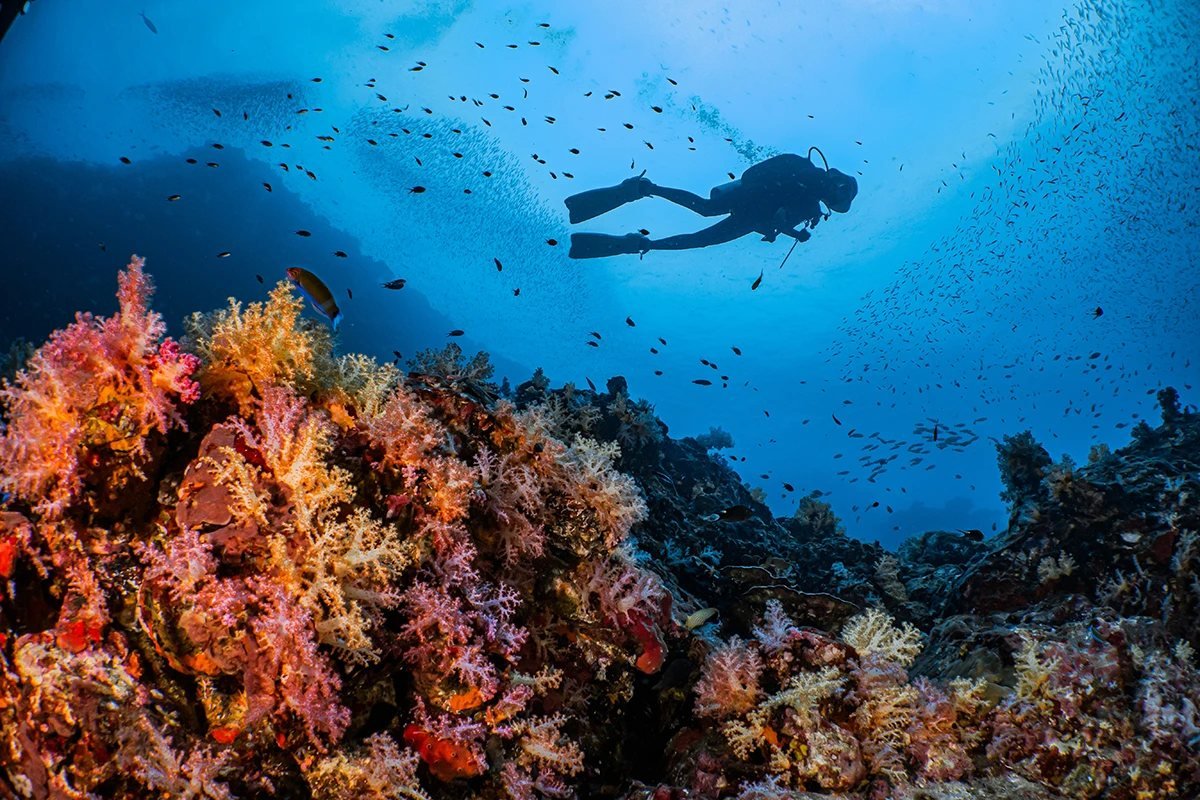
A serious diver may book the journey because of hammerheads and still return talking about something completely different. The Banda Sea can produce dense schools of fish, steep volcanic walls, reef sharks, sea snakes, large pelagics and coral systems that receive far less daily traffic than better-known Indonesian destinations.
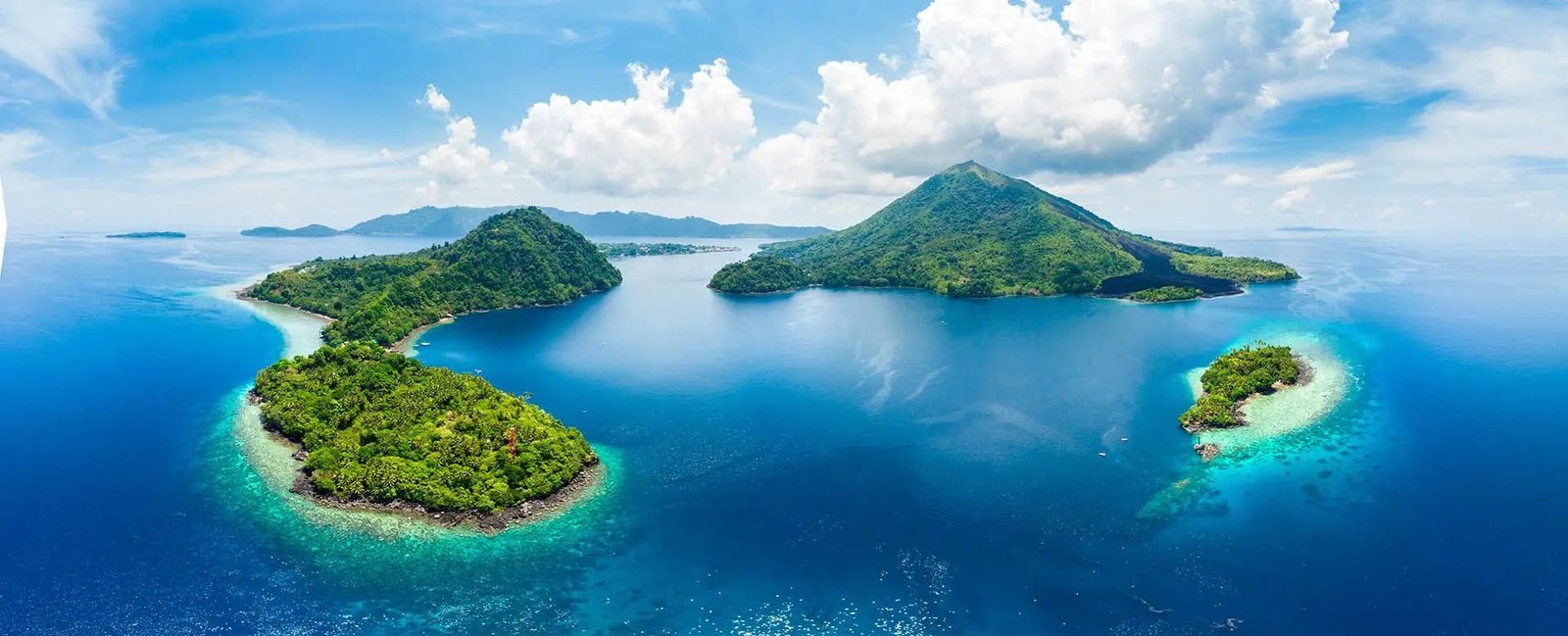
Then there is the surface journey. Banda Neira carries a history that shaped global trade through nutmeg and mace. Gunung Api rises above the harbour. Outer islands feel increasingly isolated as the route moves away from the cultural centre. The vessel can spend hours crossing water with no resort coastline in sight.
This wider context matters for SEO, but more importantly it matters for the person booking the trip. A Banda Sea liveaboard should not be understood as transport to a shark dive. It is an expedition across a large maritime region in which hammerheads are one of the most sought-after encounters.
How to choose the right Banda Sea departure
Start with the route, not only the date. Two departures within the same season can travel through different sectors. One may concentrate more heavily on Banda's central islands and nearby diving. Another may include longer crossings toward remote seamounts or continue toward another region as the vessel repositions.
For a trip centred on hammerheads, give strongest consideration to departures between September and November. Treat March through May as a second expedition window rather than an identical shark season.
Check whether the published voyage actually includes remote seamount sectors associated with blue-water pelagic diving. A Banda Sea label alone does not tell you the complete route.
Be realistic about current, buoyancy, recent dives and comfort away from a sheltered reef. The right trip is one that fits the group as well as the wildlife objective.
Choose an expedition you would still value if hammerheads remain deep or distant. Wildlife probability is not the same as wildlife certainty.
The current Banda Sea departures show when Supraba is scheduled to enter the region. From there, compare the exact itinerary, embarkation and disembarkation points, voyage length and diving emphasis before choosing a cabin.
If accommodation is part of the decision, the Accommodation page shows the private cabins used between expedition days. The vessel carries a small group, which keeps briefings, tender movements and dive planning close to the guests taking part.
Planning for the encounter without turning it into a guarantee
The best Banda Sea hammerhead trip starts with a strong season, a suitable route and a dive team prepared to adapt. After that, the ocean decides what appears.
That is not a weakness of the experience. It is the reason an encounter with a large school of hammerheads feels different from seeing wildlife in a controlled setting. The divers have crossed open sea, entered a remote site, waited at the edge of deep water and watched an animal appear on its own terms.
For travellers ready to plan around that possibility, begin with the Banda Sea destination guide, review the remote-water and diving safety information, then compare the available Banda Sea expedition dates. Those pages answer the practical questions around the article: where the voyage goes, how the diving is managed and when Supraba is scheduled to sail.
Seasonal guidance reflects Supraba's Banda Sea planning information and the broader pattern reported by established Banda Sea dive operators: September through November is the principal hammerhead-focused window, while March through May forms a second expedition period. Wildlife encounters, current, visibility, temperature and route access vary and are never guaranteed.