The most useful way to think about Raja Ampat is not as a destination with one perfect month, but as a large marine region with a long main liveaboard season. From the opening weeks through the heart of the season and into the transition toward stronger winds, the experience changes in small but meaningful ways.
For most travellers planning a liveaboard journey, the broad window from October into April is the centre of the season. Some operations and routes continue into May when local conditions allow. Indonesia's official tourism guidance similarly places the most favourable period around October through April, when seas are generally calmer and underwater visibility is often at its most useful for diving and snorkelling.
That does not mean every day is dry. Raja Ampat sits close to the equator, and rain can arrive at any time of year. A tropical shower in the afternoon is not a failed day, just as a bright morning does not guarantee flat water at every crossing. A liveaboard itinerary works because the captain and cruise team can respond to the conditions rather than treating a printed route as something that cannot change.
If this is your first Raja Ampat liveaboard and you want the broadest balance of calmer sea conditions, active diving and access across the region, plan within the main season from October through April. Treat May as a transition month that can still work well on the right route rather than as a guaranteed extension of peak conditions.
October and November: the season opens
October is the point when many liveaboards begin returning to Raja Ampat after operating elsewhere in Indonesia. The change is not ceremonial. Wind and sea conditions are beginning to favour the longer crossings and exposed passages that make a multi-area itinerary practical again.
For divers, this part of the season can be especially appealing because the region feels as though it is settling into its annual rhythm. Conditions are never identical from one year to the next, but there is often a sense of arrival: vessels are moving back through Dampier Strait, Misool and the central island groups, and itineraries become less constrained by the stronger conditions associated with the middle of the year.
October and November suit travellers who want to come early in the main season and are comfortable with some variation. If your priority is simply to experience the reefs rather than chase a particular promise about visibility or wildlife, this can be an excellent time to sail.
December and January: the heart of the sailing season
By December, Raja Ampat is well inside its main liveaboard period. This is one reason these months attract so much attention from international travellers. Boats are established in the region, the route choices are broad, and trips can be planned around the classic combination of diving, snorkelling, island viewpoints and quiet anchorages.
There is another practical factor: holiday travel creates demand. The weeks around the end of the year can fill early, particularly for cabins that suit couples or friends travelling together. Anyone who is tied to a school holiday or a fixed annual break should think about availability before obsessing over a small theoretical difference between neighbouring months.
December and January do not remove the possibility of rain, current or rougher passages. Raja Ampat remains a working marine environment. What these months usually provide is a strong seasonal basis for a varied itinerary, which is why they sit at the centre of so many liveaboard calendars.
The best month is often the month when the route, cabin and travel dates fit together properly. Raja Ampat rewards time on the water more than perfection on a weather chart.
February and March: a mature season with room to travel
February and March remain firmly within the main Raja Ampat liveaboard window. For travellers who prefer to avoid the year-end holiday period, these months can offer a more straightforward planning experience without moving outside the core season.
The important distinction is not that the reefs suddenly change character. It is that the voyage can feel different when travel demand is less concentrated around a major holiday. The practical advantages can include more choice around departure timing and a calmer planning process before the trip begins.
For divers, the same rule applies throughout Raja Ampat: site selection matters more than a broad monthly label. Current can be powerful in one place and gentle at another on the same day. Visibility can change after rain or with tidal movement. A good cruise director reads those conditions and chooses the site, entry point and timing accordingly. The diving and water activities aboard Supraba are planned around that daily judgement rather than a fixed promise made months in advance.
April and May: the transition deserves context
April is still part of the established Raja Ampat liveaboard season for many vessels. May needs more context. It can still produce rewarding diving and beautiful days on the water, but it sits closer to the seasonal change when winds and sea conditions become a larger consideration for route planning.
This is where broad internet advice can become misleading. A statement such as “Raja Ampat is open all year” can be technically true for a resort or a land-based stay while being incomplete for a liveaboard that needs to cross exposed water between distant island groups. A vessel has to think about the entire route, not only the conditions at one reef.
If you are considering a late-season voyage, look at the actual itinerary and ask what area the vessel intends to explore. The Supraba Raja Ampat destination page explains the regions a voyage may combine, while the current departure schedule shows when Supraba is positioned in Raja Ampat.

What happens from June through September?
Raja Ampat does not disappear when the main liveaboard season ends. Communities remain, resorts continue operating, reefs remain alive, and travellers still visit. The difference is that stronger wind and sea conditions can make some liveaboard routes less attractive or less comfortable, particularly where an itinerary depends on longer exposed crossings.
For that reason, many Indonesian liveaboards reposition to other regions during this part of the year. Komodo, for example, has a different seasonal pattern and becomes a natural part of the annual movement of vessels through the archipelago. Travellers whose dates fall outside the Raja Ampat window can compare Supraba's other Indonesian cruise destinations rather than trying to force one destination into the wrong time of year.
Rain, visibility and warm water are not the same thing
One of the easiest mistakes in Raja Ampat planning is to treat “dry”, “clear” and “good diving” as interchangeable terms. They are not.
Rainfall can affect local visibility, especially near land, but underwater conditions are also influenced by plankton, current, tide and site exposure. The water remains tropical through the year. A day with passing rain can still produce a memorable dive, while a cloudless day can coincide with demanding current at a particular site.
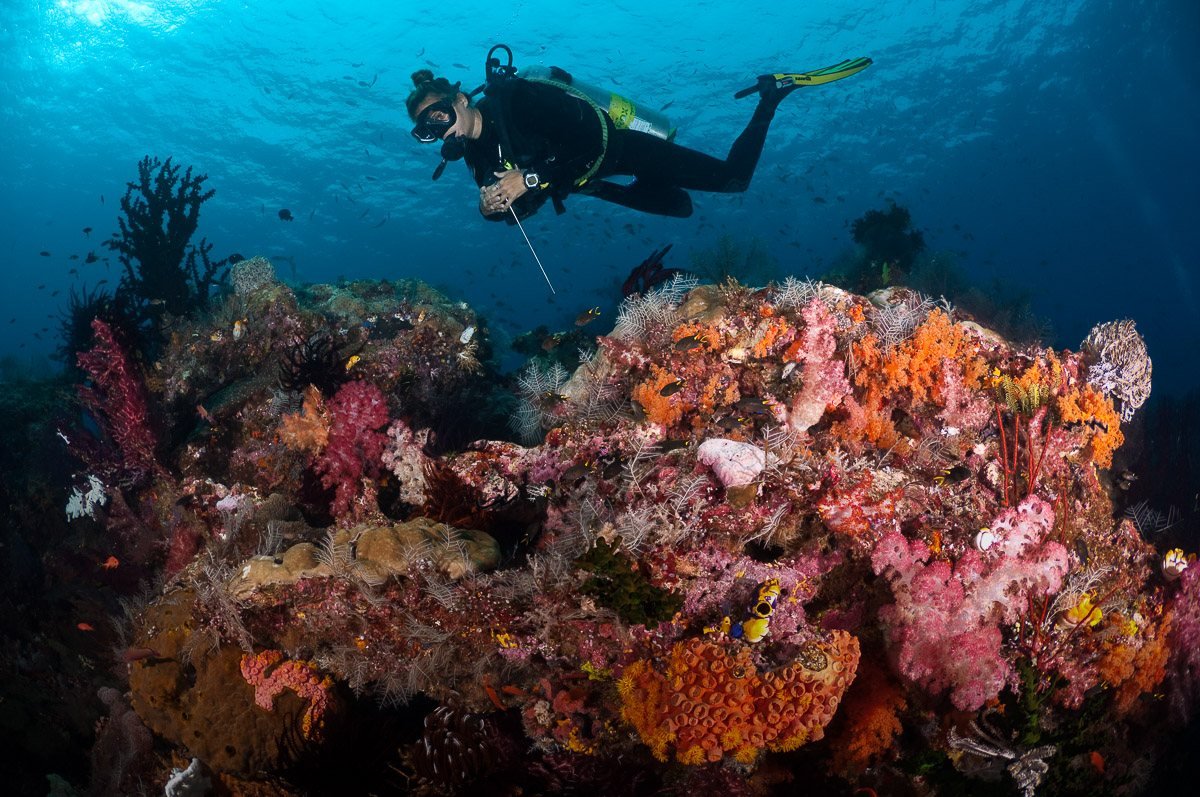
This matters because Raja Ampat's biodiversity is not built around aquarium-like stillness. Nutrient movement is part of what supports the richness of the reefs. UNESCO describes the Raja Ampat marine environment as holding more than three quarters of the world's known coral species along with an exceptional concentration of reef fish. Those ecosystems are dynamic, and good diving means learning to work with that dynamism rather than expecting identical conditions every day.
What about manta rays?
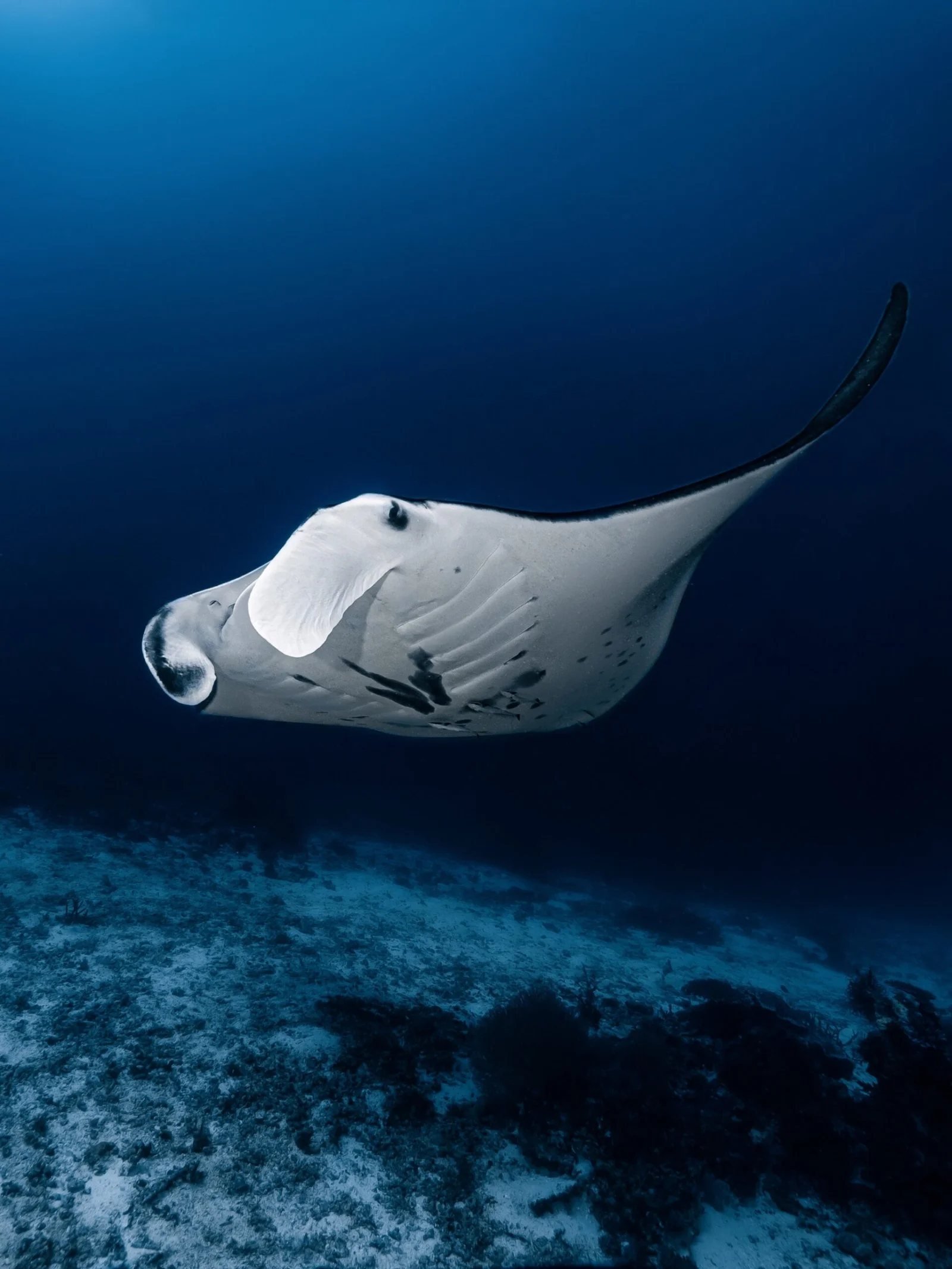
Manta encounters are one of the reasons many divers dream about Raja Ampat, but they should not be treated as a guaranteed seasonal product. Cleaning stations and feeding areas are influenced by local conditions, plankton and movement through the region. A month can improve the chances of being in the right seasonal window without guaranteeing what wildlife will do on the day your vessel arrives.
The same principle applies to turtles, schooling fish, sharks and the smaller creatures that make Raja Ampat so rewarding for photographers. Choose the season for the overall journey. Let wildlife remain wildlife.
Which part of the season suits you?
There is no useful ranking that puts every traveller into the same month. A better decision starts with the kind of trip you are actually trying to have.
Choose the established main season and give yourself enough days to see more than one part of the archipelago.
Secure the right departure and cabin first. A good itinerary inside the main season matters more than chasing a supposedly perfect week.
Allow for changing visibility and current. A longer itinerary gives the team more opportunities to respond to conditions rather than relying on one site.
Choose a voyage that deliberately balances diving with snorkelling, kayaking, viewpoints and time ashore. The season matters, but the daily programme matters just as much.
Supraba is designed for that mixed rhythm. Diving is central to many departures, but life aboard is not built around leaving non-divers behind. Guests can move between diving, snorkelling, kayaking, island excursions and time on deck. You can see how that works on the Activities page, and how the shared spaces are arranged on The Vessel and Accommodation pages.
How Supraba approaches the season
Supraba generally positions in Raja Ampat during the main seasonal window rather than trying to operate the same destination throughout the year. That decision gives the captain and cruise team a stronger foundation for planning passages between the regions that make Raja Ampat worth exploring by liveaboard.
Even within that window, the itinerary remains flexible. Current, wind, swell, visibility, permits and guest experience can change the order of a journey. An itinerary should be a plan with judgement behind it, not a promise that forces the vessel into the wrong place because a brochure said it would be there.
Divers should also be realistic about their own experience. Some Raja Ampat sites can carry strong current. If you have been away from diving for a long period, have limited current experience, or are travelling with a mixed-experience group, share that before booking. The Supraba safety information explains the approach to operating in remote Indonesian waters, and the team can help identify a departure that suits the group rather than simply filling a cabin.
So, when is the best time to visit Raja Ampat?
For a liveaboard journey, the clearest answer is the main season from October through April, with some voyages extending into May when route and conditions make sense. Within that period, there is no single month that wins every category.
Travel earlier if you like the feeling of the season opening. Travel around the middle of the season if you want the widest conventional planning window. Travel later if your dates suit the transition and you are comfortable choosing the route with more care.
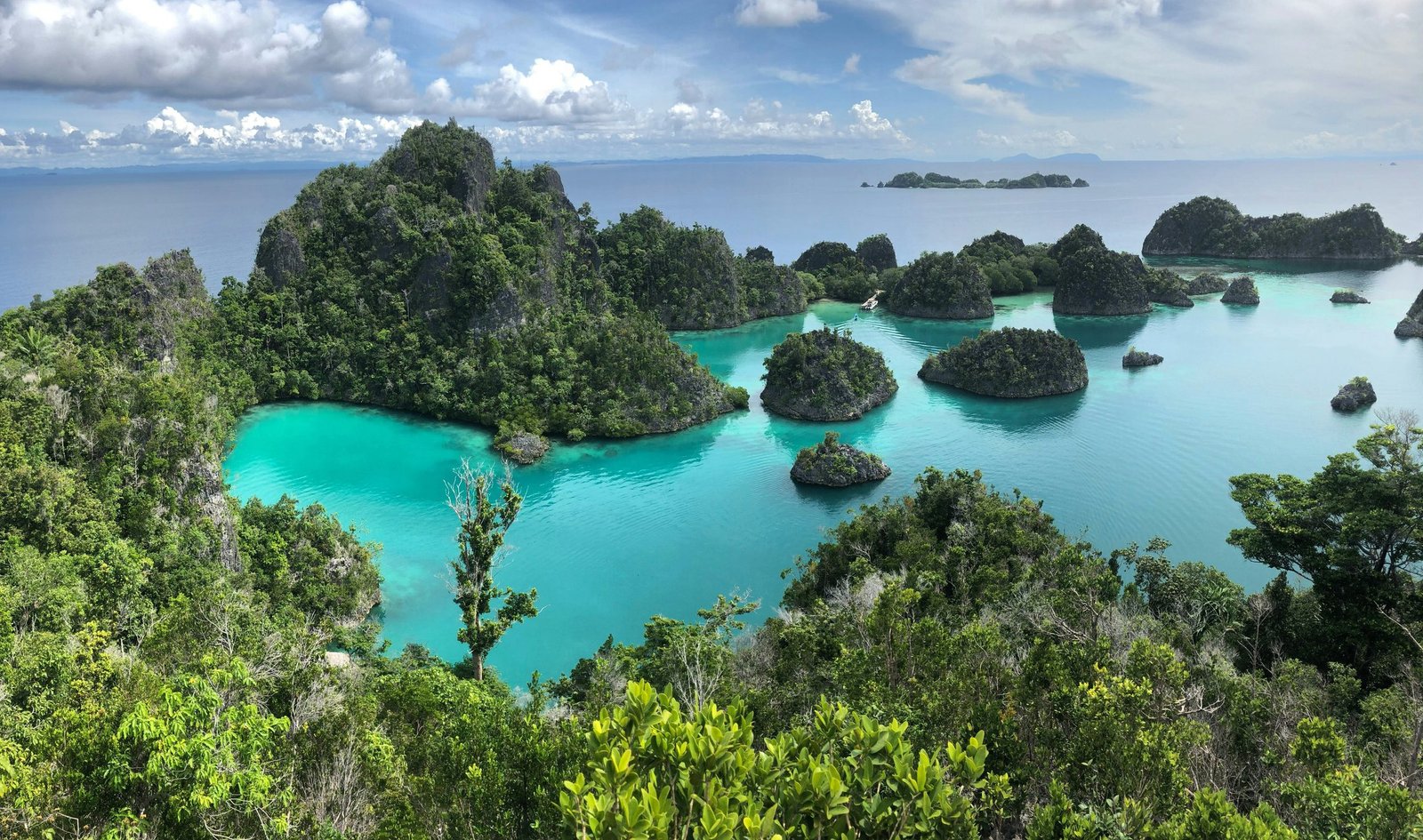
Most importantly, give Raja Ampat enough time. The archipelago is too large and too varied to reduce to one famous viewpoint or one dive site. A well-planned liveaboard journey connects the reefs, limestone islands, villages, lagoons and long stretches of open water into one experience. The calendar helps you choose when to begin. What happens after that is shaped by the sea.
Seasonal guidance in this article is informed by Supraba's operating experience and published destination planning, alongside public guidance from Indonesia's Ministry of Tourism and UNESCO information on the Raja Ampat marine environment. Weather and marine conditions vary from year to year and should never be treated as guaranteed.